
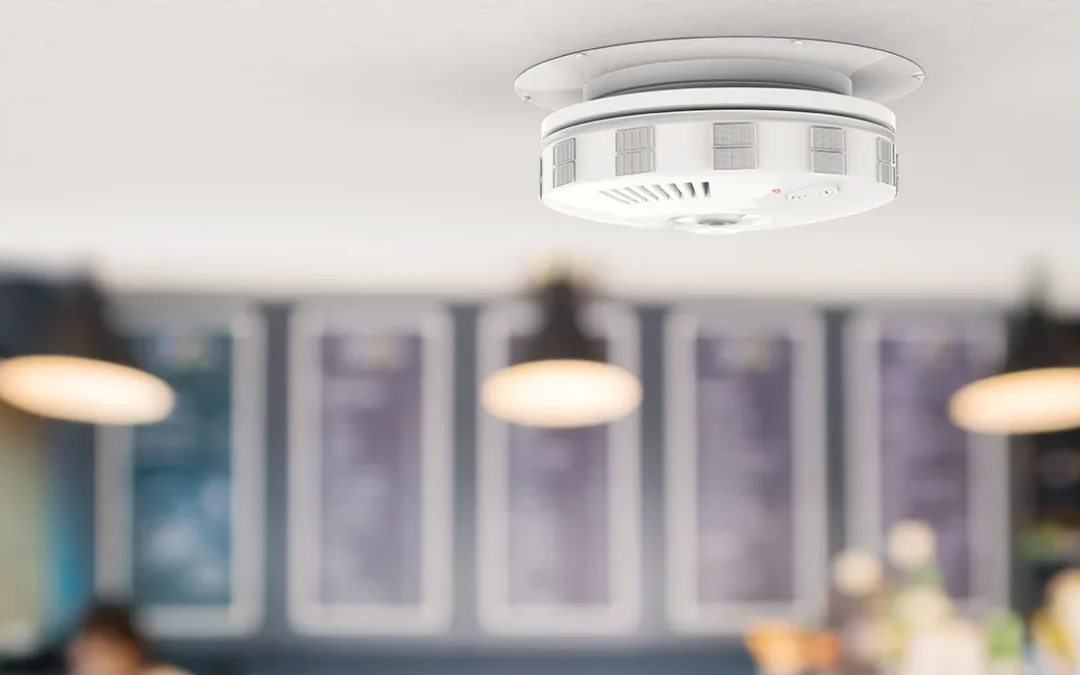
Surprising truths about photoelectric smoke alarms
Some surprises are the best parts of life—like laughter at the dinner table or an unexpected visit from friends. But others, like a house fire, are the worst. Since we can’t see the future, the best protection is being alerted the moment danger begins. By 2027, every Queensland home must have interconnected photoelectric smoke alarms, because they detect the slow, smoky fires most likely to threaten families—giving the earliest warning and more time to escape.
So, what does this mean for your home? What makes photoelectric alarms more effective, and why are ionisation alarms being phased out? Understanding the differences shows that upgrading isn’t just about compliance—it’s about giving your loved ones the best possible protection. In this guide, we’ll explain how each type works, their strengths and limitations, and why photoelectric technology is the future of home fire safety.
Which smoke alarms have been superseded?
It may come as a surprise, but ionisation smoke alarms—the type most of us grew up with—are no longer the standard. For decades, they were the most common detectors in Australian homes. Ionisation alarms are effective at detecting fast-flaming fires, but they are slower to react to the smoky, smouldering fires responsible for many of the most dangerous home emergencies. This limitation is why they’ve been gradually superseded by photoelectric alarms, which are far more responsive to the kinds of fires households are most likely to face.

How they work:
Ionisation alarms use a tiny amount of radioactive material (americium-241) to ionise the air between two plates, creating a constant electrical current—like a faint electric breeze flowing steadily. When smoke enters the chamber, it clings to the ions and disrupts that flow, triggering the alarm.
- Detecting fast-flaming fires, such as those caused by paper, grease, or flammable liquids
- Providing early warnings for fires that spread quickly
While effective for fast-flaming fires, ionisation alarms are far less sensitive to slow-smouldering fires—the kind that fill a home with toxic smoke long before visible flames appear. These fires can smoulder for hours, and ionisation alarms often take longer to react, leaving less time for occupants to escape. This is one of the key reasons they are being phased out in favour of photoelectric technology.

What’s the new minimum standard for smoke alarms?
Photoelectric alarms use light scattering. Inside, a light beam is aimed away from a sensor. When smoke drifts in, it scatters the beam toward the sensor and sets off the alarm. It’s a bit like a welcome sensor in a doorway, except instead of a single point being broken, the sensor can “see” the whole space—so even the thinnest smoke drifting through is enough to trigger it.
Think of it like a beam of light shining across a room. When smoke drifts into the path of the light, it changes the beam and sets off the alarm. This makes photoelectric alarms especially sensitive to the kind of slow, smoky fires that can smoulder for hours before flames appear.
- Detecting slow-smouldering fires, such as those caused by burning upholstery, mattresses, or electrical faults.
- Providing early warnings for fires that produce a lot of smoke before flames appear, giving more time to react.
Photoelectric alarms are designed for the types of home fires most likely to be deadly—the slow, smoky ones that fill a house with toxic fumes while occupants sleep. By sensing smoke early, they provide precious extra minutes to wake up, evacuate, and call for help. This ability to detect the most dangerous fires is why photoelectric alarms are now the recommended choice for modern homes and are required under Queensland’s 2027 smoke alarm regulations.
Why not both?
You might think that having both types is the safest move—and you’d be right. Dual-sensor alarms combine ionisation and photoelectric technology, offering protection against both fast-flaming and slow-smouldering fires. They can provide extra peace of mind, especially in larger homes. However, Queensland’s regulations now set photoelectric as the minimum standard because they give the earliest warning for the types of fires most likely to occur in homes. This means that while dual-sensor alarms are a valuable option, every household must still have interconnected photoelectric alarms by 2027.
Smoke alarm comparison
| Feature | Ionisation | Photoelectric |
|---|---|---|
| Best at detecting | Fast-flaming fires (paper, grease, flammable liquids) | Slow-smouldering fires (upholstery, electrical faults) |
| Response to smoke | Less sensitive to smouldering smoke | Highly sensitive to smouldering smoke |
| Detection speed | Very fast for flames, slower for smoky fires | Fast for smoky, slow-burning fires |
| Effectiveness while sleeping | Less effective; may not wake occupants as quickly | More effective; gives extra time to escape |
| False alarms/nuisance triggers | More prone (cooking smoke, steam) | Fewer false alarms |
| Maintenance & lifespan | Test monthly; replace every 10 years | Test monthly; replace every 10 years |
| Regulatory compliance | Will not meet Queensland 2027 standards | Required by Queensland 2027 standards |
For Queensland homes, photoelectric smoke alarms are now the standard requirement. They are highly effective at detecting slow, smoky, smouldering fires—the very kind that often produce the deadliest threat of all: toxic fumes—giving your family valuable extra minutes to react. Installing and maintaining quality photoelectric alarms throughout your home ensures maximum protection and peace of mind.
Deadly fumes in house fires
When most people think of fire deaths, they picture flames—but the real danger often comes from the smoke. In fact, the majority of fire-related deaths are caused by smoke inhalation, not burns. Thick, toxic fumes can overwhelm a person within minutes, leaving them too disoriented or unconscious to reach an exit that would otherwise be accessible.
Modern homes are filled with synthetic materials—furniture, flooring, and plastics—that release especially dangerous substances when they burn. As fire consumes oxygen, it slows down the burning process and produces toxic gases through what’s called “incomplete combustion.”

What’s in smoke?
Smoke is more than just “bad air.” It’s a toxic cocktail made up of:
- Fine particles – Tiny bits of burned or unburned material that lodge deep in the lungs, irritating the eyes, throat, and airways, and in many cases, directly poisoning the body.
- Vapours – Droplets of liquid chemicals that can be absorbed into the body through the lungs or skin, leading to poisoning.
- Toxic gases – The most dangerous component. Carbon monoxide (CO) replaces oxygen in the bloodstream, hydrogen cyanide (from burning plastics) interferes with how cells use oxygen, and phosgene (from burning vinyl) can cause everything from itchy eyes to deadly fluid buildup in the lungs.
How fire starves you of oxygen
As flames spread, they not only produce toxic smoke but also consume oxygen in the room. At the same time, harmful gases displace what oxygen remains. Heat adds to the danger—superheated gases can scorch the airways, and even a single breath may be fatal.
Here’s how quickly oxygen depletion can affect the body:
- 21% (normal air): Safe, everyday conditions.
- 17%: Judgment and coordination begin to slip.
- 12%: Headaches, dizziness, nausea, and fatigue set in.
- 9%: Unconsciousness occurs.
- 6%: Respiratory and cardiac arrest, followed by death.
It’s not just flames you need to worry about—toxic smoke can kill in minutes. This is why having reliable, interconnected photoelectric smoke alarms is critical. They give you the early warning you need to escape before smoke incapacitates.
Ready yourself now for safety and compliance
Queensland’s 2027 regulations are designed to ensure every home is equipped with modern, reliable interconnected photoelectric smoke alarms. Preparing your home now means:
- Checking your current alarms – look for a small radiation icon on the unit. If you see it, your alarm is an ionisation type, which will no longer meet compliance and must be replaced.
- Upgrading to interconnected photoelectric alarms, so that if one alarm detects smoke, all alarms in the home sound, giving your family early warning, no matter where the fire starts.
- Replacing alarms older than 10 years, as most smoke alarms have a limited lifespan.
- Installing alarms in the right locations, including bedrooms, living areas, and hallways, to ensure full coverage.
Compliance isn’t just about meeting the law—it’s about giving your family the best possible protection and peace of mind in the event of a fire.

Keep your home—and loved ones—safe
Knowing the difference between ionisation and photoelectric smoke alarms helps you make smart choices for your home’s safety. Fires can start unexpectedly, but the right alarms give you precious extra minutes to act, protecting the people and memories you care about most.
You should not wait until 2027 to upgrade—start checking your smoke alarms today. Replace any outdated units, ensure they are interconnected, and give every corner of your home the protection it deserves. Stay ahead of the deadline: Foxtone Andy’s team can upgrade your home with interconnected photoelectric alarms that keep your family safe.