How AI makes surveillance systems intelligent
For decades, security cameras have stood as silent witnesses to innumerable events. They captured crimes and accidents as they unfolded, but their value only emerged after something had already gone wrong. Camera footage communicated history, but could hardly influence the outcome.
That model has changed.
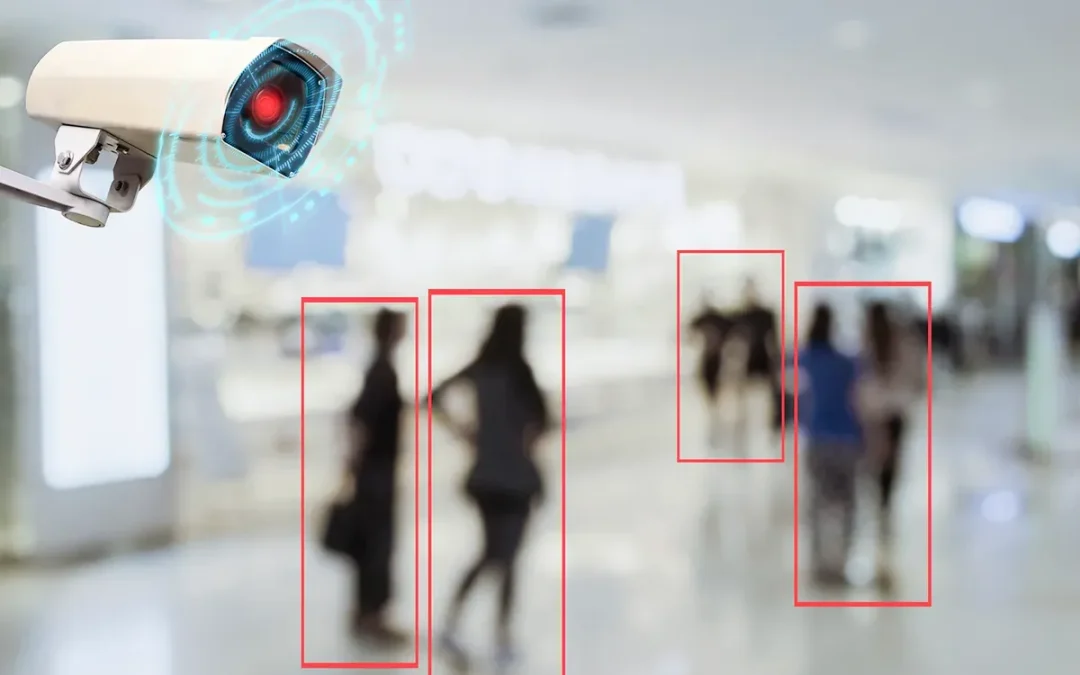
Artificial Intelligence is reshaping surveillance into something far more capable. Modern systems no longer just capture footage. They interpret it, prioritise it, and act on it in real time. A camera is no longer just an eye. It has become a system that can assess context, recognise patterns, and respond with purpose.
This shift marks the transition from observation to intelligence. It is redefining what security means for homes, businesses, and public spaces.
Beyond the pixel
From recording to understanding
Traditional cameras operated on a simple principle: detect motion and record. The limitation was obvious. Movement alone does not equal risk. A passing car, shifting shadows, or falling rain could all trigger alerts.
AI changes this dynamic by introducing context.
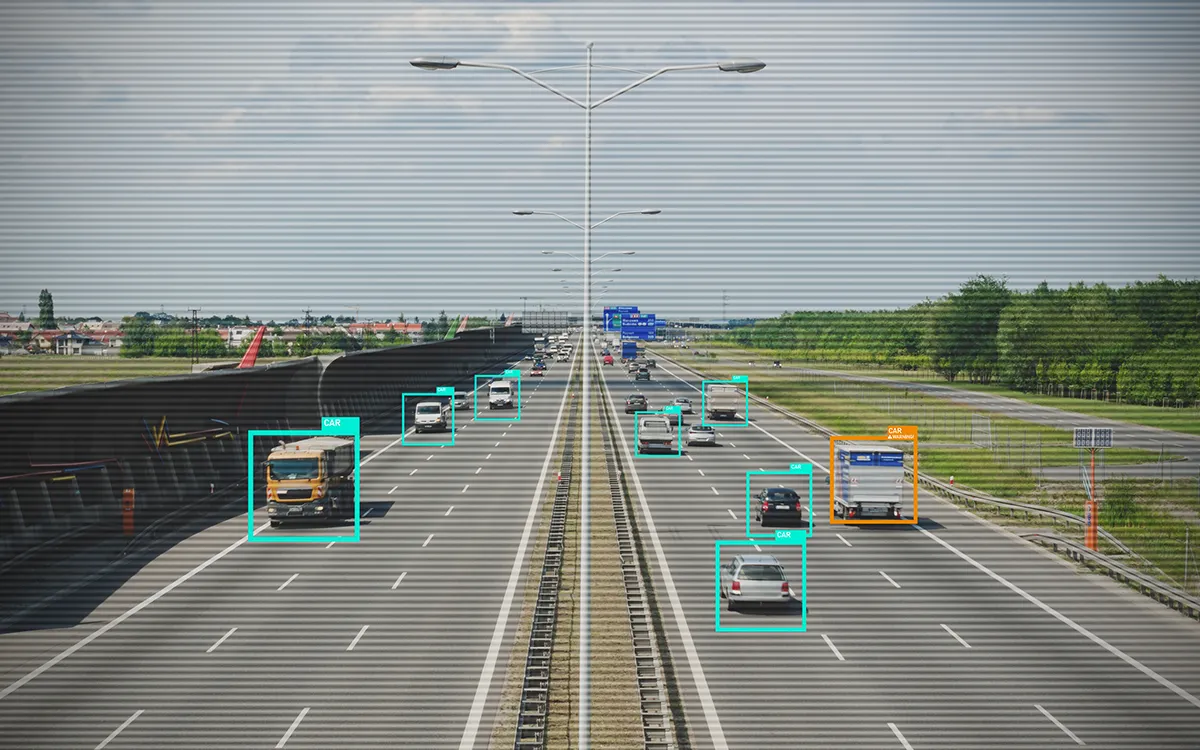
Through advanced algorithms and machine learning, cameras can now distinguish between different types of movement. They identify whether an object is a person, a vehicle, or background activity. This transforms surveillance from a reactive tool into a system capable of meaningful interpretation.

Edge computing
A key driver of this transformation is edge computing.
Instead of sending all footage to the cloud for processing, modern cameras analyse data on-device. This reduces latency, allowing for near-instant responses. It also strengthens privacy by limiting the amount of data transmitted externally.
The result is faster decision-making and greater control over sensitive information. Intelligence is no longer distant. It sits directly within the camera.
Cameras that don’t cry wolf
Filtering the noise
False alarms have long been one of the biggest frustrations in surveillance. Constant, irrelevant notifications reduce trust in the system and often lead to critical alerts being ignored.
AI addresses this with precision.
Object classification allows the system to filter out environmental noise such as moving trees, insects, rain, or shifting light. It focuses only on relevant activity, significantly improving the quality of alerts.
Customised, meaningful notifications
Modern systems allow users to define exactly what matters.
Alerts can be configured to trigger only when a person enters a specific zone, when a vehicle approaches a restricted area, or when activity occurs during designated hours. This level of control ensures that every notification carries weight.
Attention is no longer divided. It is directed.
Proactive deterrence
Active defence in real time
The most significant shift in AI surveillance is its ability to move from passive observation to active deterrence.
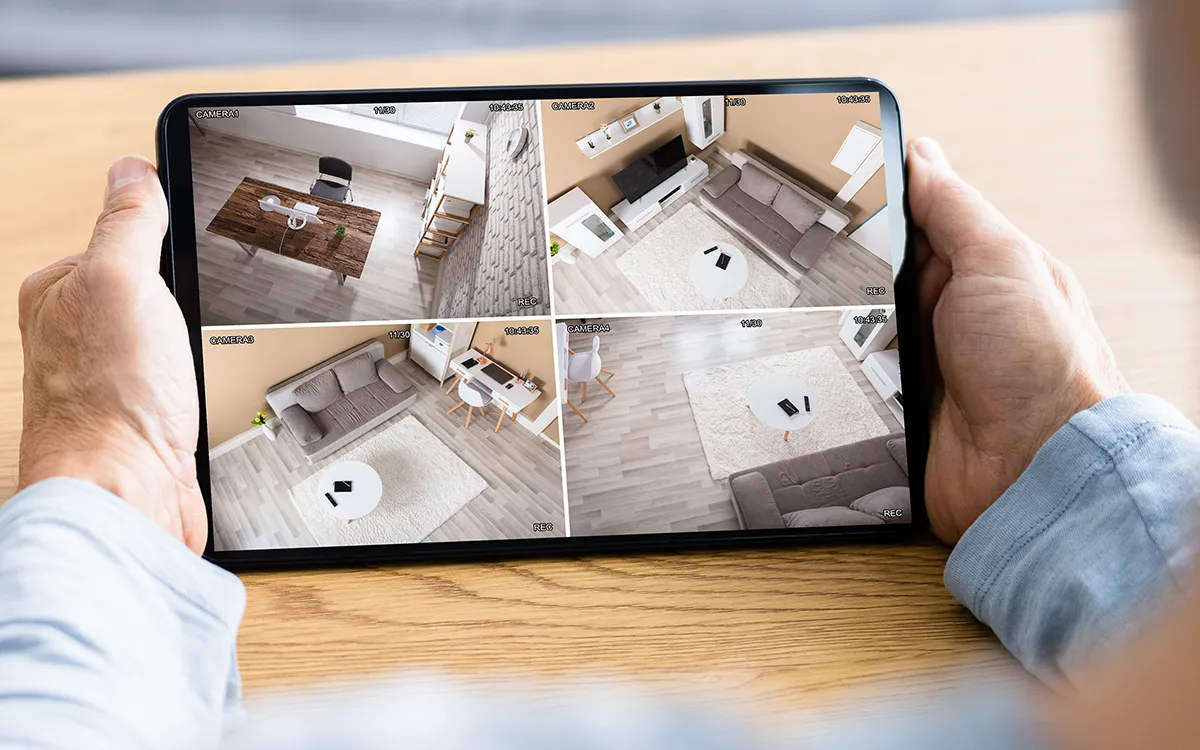
When a potential threat is detected, systems can automatically trigger lights, alarms, or voice warnings. These responses are immediate and visible, often stopping an incident before it escalates.
Security becomes a presence rather than a record.
Behaviour-based detection
AI is also capable of identifying patterns that suggest risk.
Features such as line crossing detection and loitering analysis allow systems to monitor behaviour over time. A person lingering near an entry point or repeatedly crossing a virtual boundary can trigger early alerts.
This predictive capability adds a critical layer of protection. It focuses on intent, not just action.
Instantly find what matters
Attribute recognition
Reviewing footage has traditionally been a time-consuming process. Finding a specific moment often requires scanning hours of recordings.
AI eliminates this inefficiency.
Users can search footage using descriptive attributes such as clothing colour, object type, or movement patterns. A query like “person in a blue shirt” or “white van entering driveway” can deliver results in seconds.
Face and vehicle identification
Advanced systems extend this capability further.
Facial recognition and vehicle identification streamline access control and monitoring in environments such as gated communities, commercial facilities, and logistics hubs. Known individuals can be recognised instantly, while unfamiliar entries can be flagged for review.
Efficiency and security begin to work together.
Privacy paradox solved
Protecting what matters
As surveillance becomes more intelligent, privacy becomes more important.
AI addresses this through features such as privacy masking. Sensitive areas, including neighbouring properties or public spaces, can be automatically obscured while maintaining full visibility over critical zones.
Security does not need to come at the expense of discretion.
Securing the data itself
Data protection is equally essential.
Modern systems incorporate encryption and secure storage protocols to safeguard recorded information. This ensures that intelligent surveillance does not introduce new vulnerabilities.
Trust is built not only on capability, but on responsibility.
Intelligent surveillance as a strategy
AI has transformed surveillance from passive protection into active prevention.
Systems which are AI-enabled can do more than monitor. They prioritise, interpret, and respond. With reduced noise, sharpened awareness, and a level of foresight that was previously unattainable, you can expect these systems to watch with instinct and intent similar to a human guard.
Cameras without intelligence are quickly becoming legacy tools. The future belongs to systems that understand what they see.
Design a smarter system with your AI security experts
Intelligence means nothing without precision in execution. Positioning, calibration, network integration, and system configuration all influence performance. Even the most advanced technology requires careful planning to deliver its full potential.
When you work with experienced electrical and security professionals, you can be confident that each component will be tailored to your unique site and work in harmony. This gives your system the fundamental strengths it needs to optimally secure your premises against the widest range of security risks.
A well-designed intelligent system does more than protect a property. From consultation to installation and support, it delivers real peace of mind which is backed by technology that is responsive, precise, and built for modern security.