Burglars Scouting Nearby: 6 Signs
Break-ins rarely happen on a whim. Before attempting to enter a home, an opportunistic burglar may spend time observing the neighbourhood, looking for predictable routines, vulnerable entry points and signs that a property is unoccupied.
The warning signs can be subtle: an unfamiliar vehicle repeatedly passing your street, an unexpected visitor asking when you are usually home, or someone taking an unusual interest in your property’s access points. One incident does not necessarily mean anything is wrong, but patterns of suspicious behaviour are worth noticing.
Knowing what to look for can help you respond early, strengthen weak points around your home and make your property a less appealing target.
1. Unfamiliar vehicles keep appearing
An unfamiliar car parked outside your home is not automatically suspicious. Visitors, delivery drivers, tradespeople and other legitimate motorists are part of everyday neighbourhood life.
Repeated or unusual activity is more worth noting.
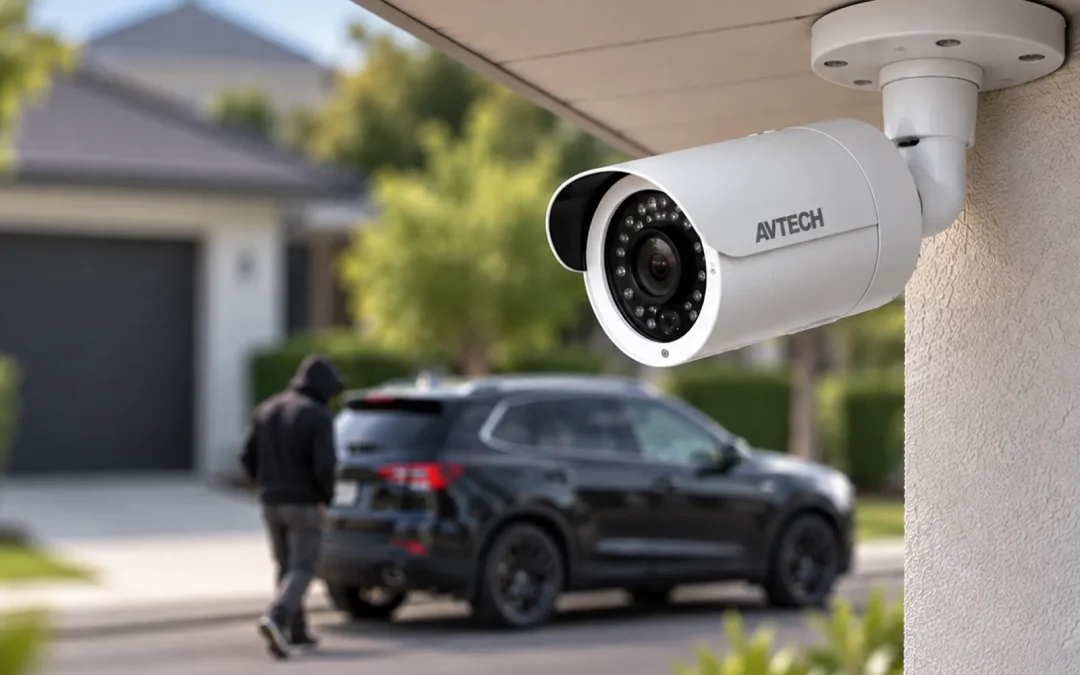
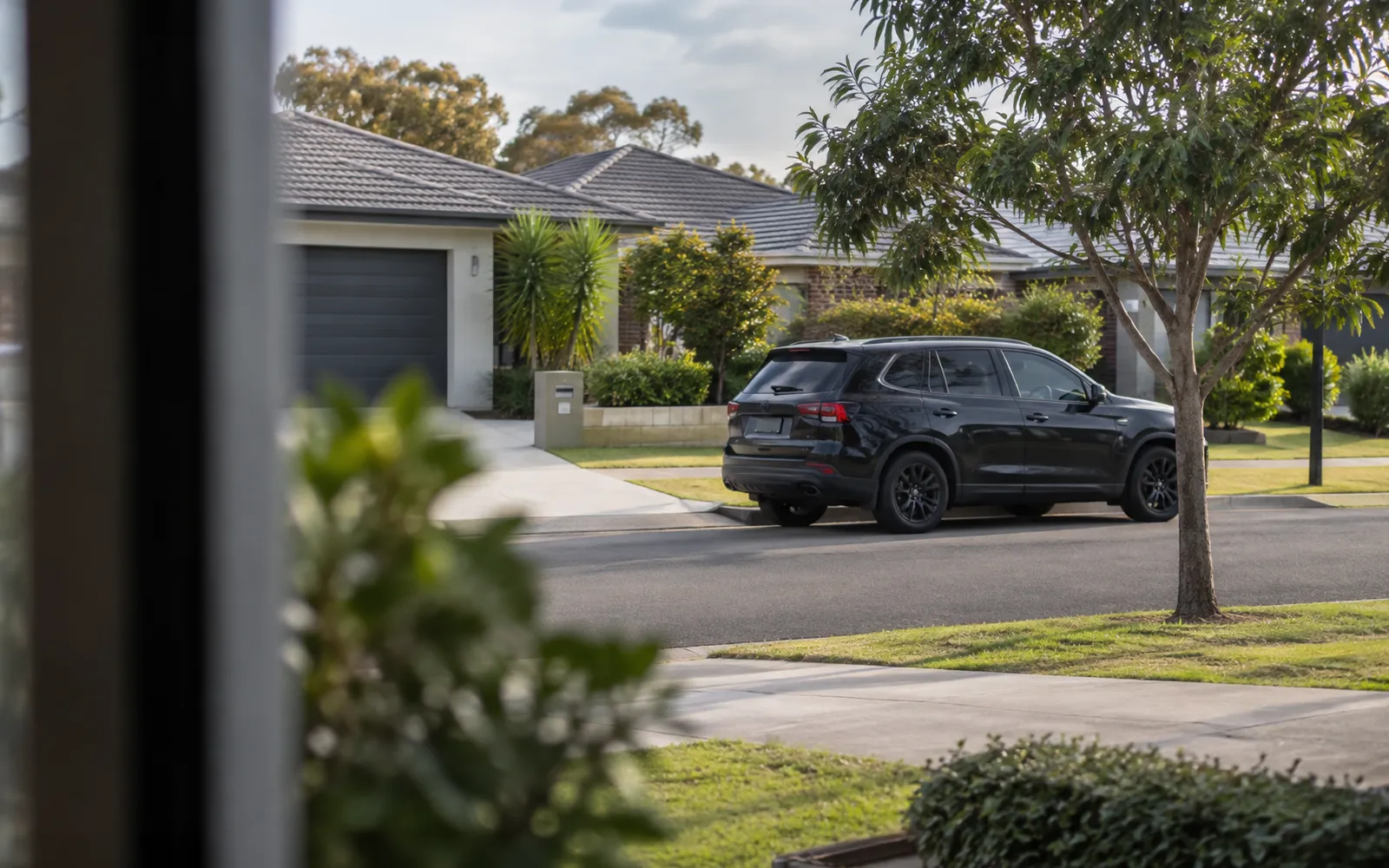
You might notice the same vehicle slowly passing through the street several times, stopping near different properties or remaining parked for an extended period without an obvious reason. The timing may also stand out, particularly if the vehicle repeatedly appears when most residents are at work or school.
Look for patterns rather than focusing on a single vehicle. If you notice something unusual, safely record the vehicle’s registration number, make, model, colour, location and the time you saw it.
Do not follow the vehicle or approach the occupants. Your safety is more important than obtaining information.
2. Unexpected visitors ask about your routine
An unexpected salesperson, contractor or utility worker may have a perfectly legitimate reason for being at your door. The concern arises when a visitor seems unusually interested in your household rather than the service they claim to provide.
Be cautious if an unexpected caller asks when you normally leave for work, whether someone is home, when other family members return, or whether you will be away.
You can also be wary of anyone pressuring you to let them inside without a scheduled appointment or becoming evasive when asked for identification.
If someone claims to represent a company or utility provider, verify their identity independently. Use the organisation’s official contact details rather than a phone number supplied by the visitor.
You are not obliged to let an unexpected caller into your home. A genuine worker should understand your need to verify their identity first.
3. Someone takes unusual interest in your property
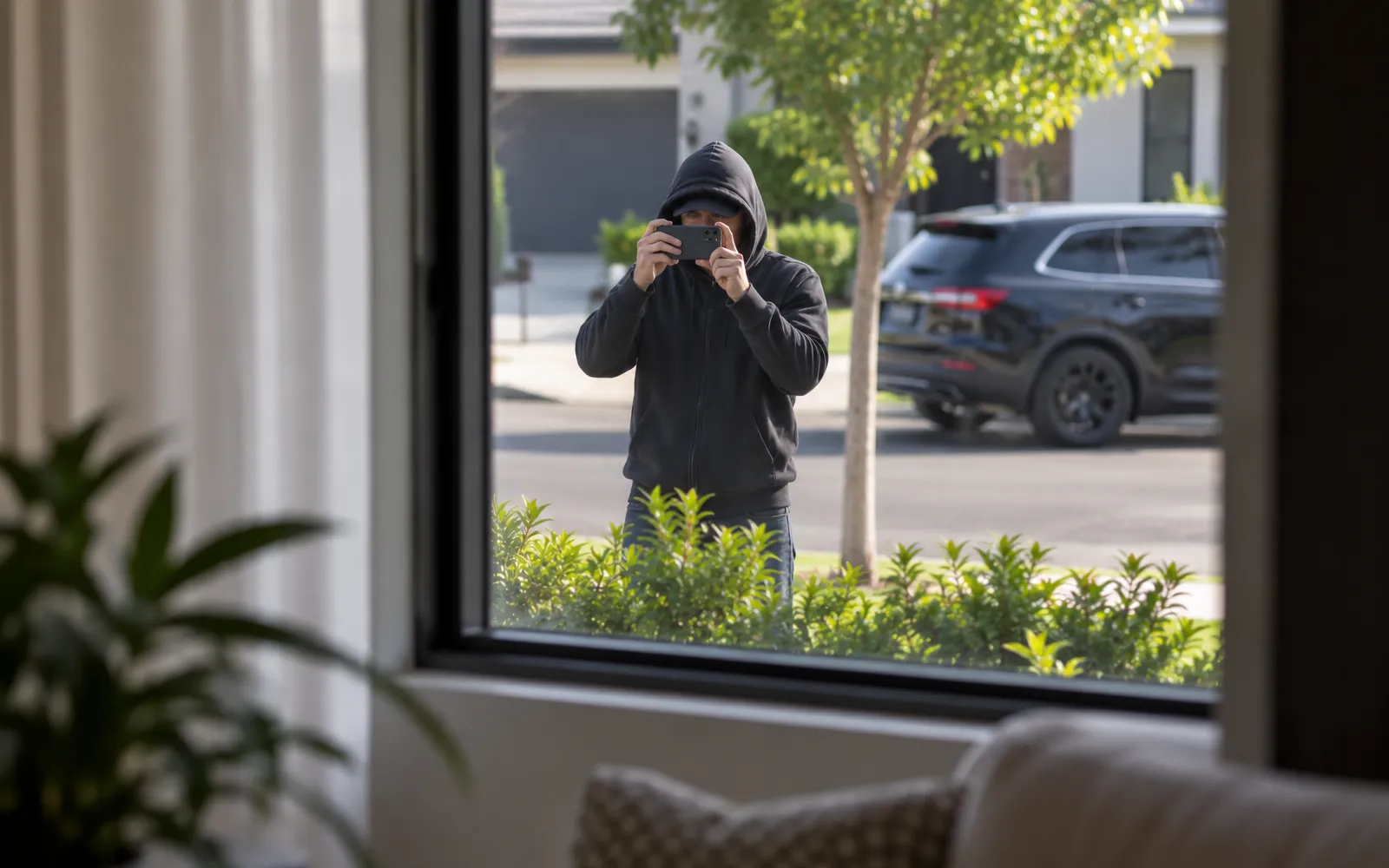
People photograph houses, streets and buildings for many innocent reasons. A person using a phone or camera is not, by itself, evidence of suspicious activity.
Pay closer attention when someone’s behaviour appears focused on security-sensitive areas of your property. This could include repeatedly looking towards side gates, garages, rear entrances or windows, particularly if there is no obvious reason for their interest.
Someone lingering around a property or appearing to inspect how easily certain areas can be accessed may also warrant attention.
The safest approach is not to confront them. Instead, consider whether your property is revealing information that could make it more attractive to an opportunistic offender.
Can valuable items be seen through your windows? Is a side gate unlocked? Are there concealed areas around the house that cannot be seen from the street or neighbouring properties?
These observations can help you identify security improvements regardless of why the person was there.
4. Security features or entry points have been tampered with
Unexpected changes to your property’s security features deserve prompt attention.
You might notice a security camera has been moved, an outdoor light has been repositioned, a gate latch has been interfered with or a lock appears damaged. A change may have an innocent explanation, such as weather or accidental damage, but deliberate tampering should not be ignored.
Check your:
- CCTV and video doorbells
- Motion sensors and outdoor lights
- Door and window locks
- Side gates and latches
- Garage doors
- Fences and other boundary points
If your cameras record continuously, preserve relevant footage rather than deleting it after reviewing it. Footage showing people, vehicles or movements around your property may be useful if suspicious activity needs to be reported.
It is also worth checking whether your cameras cover the approaches to your home, rather than only the front door. A wider view can provide a better picture of what happens before someone reaches the property.
5. Unexplained flyers, objects or changes appear around your property
A flyer on your door is usually just a flyer. An unfamiliar sticker or object is not automatically a sign that someone has identified your home as a target.
However, unexplained changes around your property can be worth documenting, particularly if they appear repeatedly or coincide with other unusual activity.
Take note of things such as:
- Unfamiliar objects left near gates or entrances
- Stickers or markings that were not previously there
- Items moved around your driveway or garden
- Flyers deliberately left in unusual locations
- Similar unexplained activity occurring at several nearby homes
There is no universal set of symbols that reliably indicates a burglar has “marked” a house, so avoid relying on lists of supposed secret codes circulating online.
Instead, focus on what you can actually observe. Photograph anything unusual, remove ordinary advertising when appropriate and tell trusted neighbours if they have noticed similar changes.
6. Several small warning signs start to form a pattern
Perhaps the most important sign is not one specific behaviour, but several small incidents occurring together.
An unfamiliar vehicle by itself may mean nothing. An unexpected visitor may simply be a salesperson. Someone taking a photograph may have an entirely innocent reason.
Concern becomes more reasonable when several unusual events occur within a short period.
For example, you might notice a vehicle repeatedly passing the street, an unexpected caller asking about your working hours and unexplained activity around a side gate. None of these observations proves criminal intent, but together they may justify greater awareness.
This is why neighbourhood communication matters. A neighbour may have noticed the same vehicle or visitor without realising that others have experienced similar activity.
Focus on behaviour rather than appearance, occupation or assumptions about who someone is. The aim is to recognise potentially suspicious patterns, not to identify or confront a suspected offender.
What to do if something doesn’t feel right
If you notice suspicious activity, resist the temptation to investigate it yourself.
Start by recording what you safely observed. Note the date, time, location, vehicle details and relevant behaviour. If you have CCTV or doorbell footage, preserve it.
You can also let trusted neighbours know what you observed. Keep the information factual and avoid making accusations. A simple description of what happened allows others to decide whether they have noticed something similar.
If you believe there is an immediate threat, contact the appropriate emergency service. For non-urgent concerns, use your local police station or relevant non-emergency reporting channel.
Most importantly, do not follow a suspicious vehicle, approach a stranger or attempt to prevent a suspected crime yourself.
Your role is to notice, document and report. Law enforcement can assess the information alongside other incidents in the area.
Make your home a less appealing target
You do not need to turn your home into a fortress. Effective security is often about removing easy opportunities and making your property harder to access without being noticed.
Secure every entry point
Check more than your front door. Side gates, rear doors, windows, garages, sheds and other secondary access points should also be secured.
An otherwise well-protected home can still be vulnerable if an unlocked side gate provides easy access to a concealed rear entrance.
Improve visibility Trim overgrown bushes and trees around windows, pathways and entrances. Good visibility makes it harder for someone to approach unnoticed and gives neighbours and passers-by a better view of vulnerable areas.
Use lighting strategically
Motion-activated lighting can improve visibility around driveways, side paths, gates and other darker areas. Rather than simply installing the brightest possible lights, consider where someone could approach or hide after dark.
Consider cameras and alarms
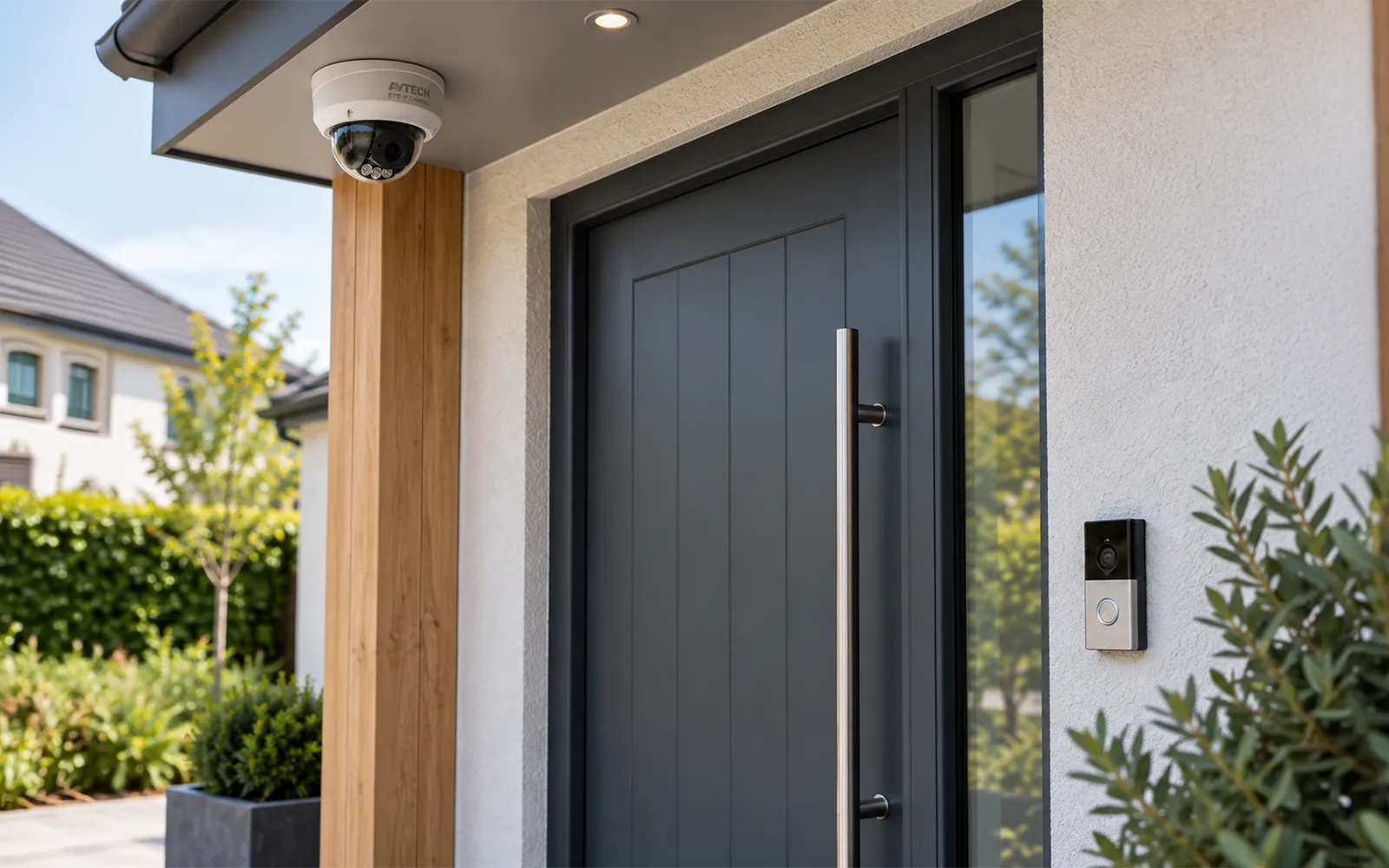
CCTV, video doorbells and alarms can provide both deterrence and useful evidence.
Position cameras to cover likely approaches, driveways, gates and other vulnerable areas. Keep equipment maintained and ensure recordings are stored securely.
Keep valuables and tools out of sight
Expensive electronics, bicycles, tools and other desirable items should not be easily visible from outside the property.
Lock away tools, ladders and gardening equipment where possible. These items may also provide an unwanted means of assisting access to parts of the home.
Make your home look occupied
An overflowing letterbox, parcels left outside, untouched bins or a home that stays completely dark can signal that nobody is around.
When you are away, ask a trusted neighbour to collect mail and deliveries, use timer-controlled or smart lighting, and take simple steps to maintain the appearance of an occupied home.
Protect information about your routine
Security is not only about locks and cameras. Think about what your property and online activity reveal.
Avoid publicly sharing detailed information about when your home will be empty. Arrange for mail and parcels to be collected when you are away, and consider measures that make the property appear occupied.
Burglars look for weak points, so fix yours now
Look at your property the way a burglar might. An unlit side path, an unsecured gate, a camera blind spot or an entrance hidden from the street can all make access easier.
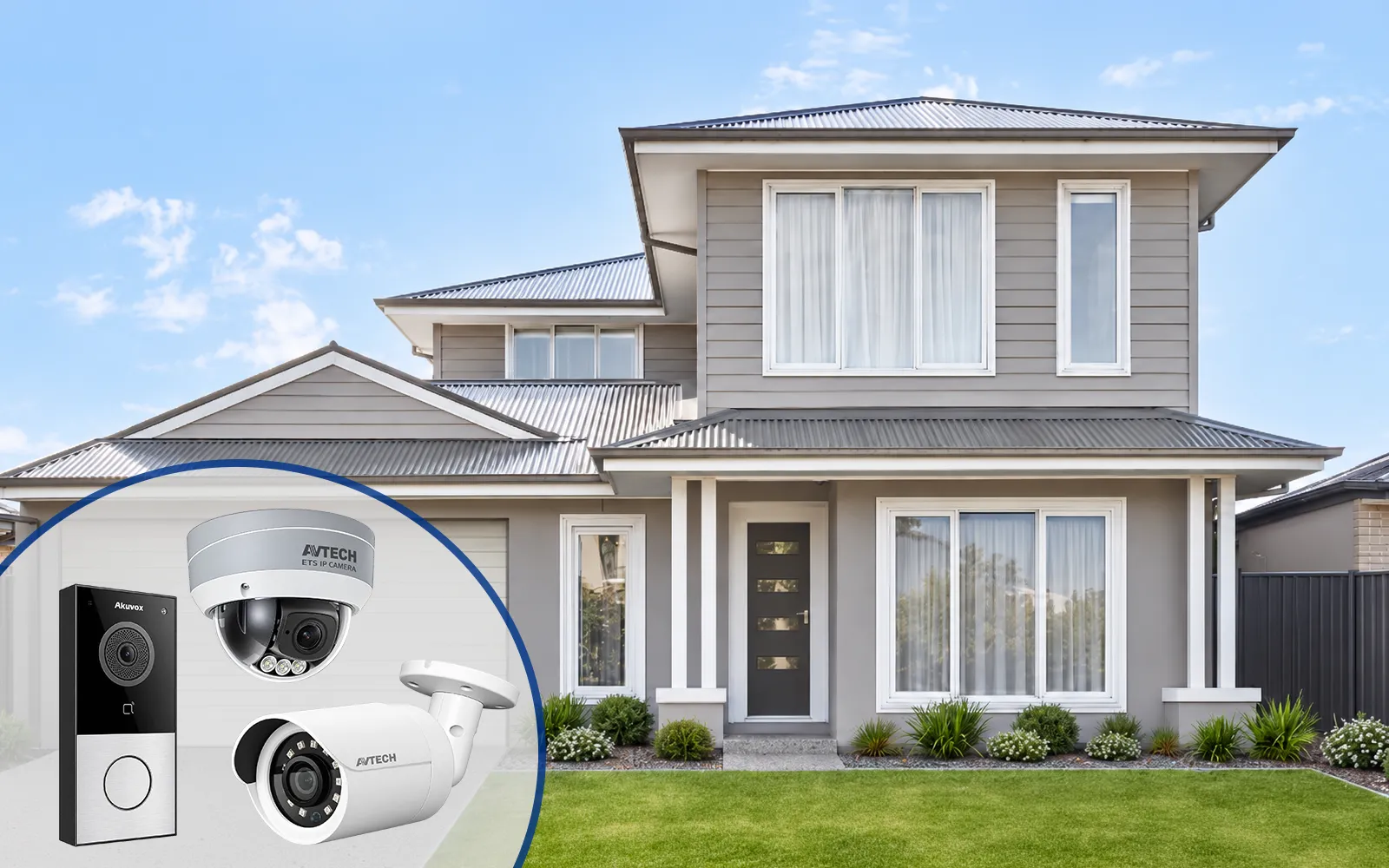
Target those weak points with security that serves a purpose. Cameras and video doorbells can extend visibility around your property, sensors and alarms can alert you to activity, and smart lighting can remove dark approaches and concealed areas.
Choose equipment based on where your home is most exposed, rather than simply adding more devices.
Find the gaps. Fix the weak points. Talk to us about a security system designed around your property.