

Unshakeable security with proper alarm installations
When you think of security, locks, cameras, and loud sirens probably come to mind. These certainly are part of the picture, but the heart of it is all about peace of mind. There’s a real sense of comfort in knowing you have a reliable system quietly working in the background to keep your property safe. That means no matter where you are, you can relax fully and focus on the tasks at hand.
True security works quietly. By simply being there, a professionally installed system disrupts intent, deters intrusion, and protects your property and the people inside, without demanding your attention. It’s the kind of protection you rarely notice, because most of its work is done before anything happens.
With so many systems, features, and providers available, choosing the right solution can feel overwhelming. That’s where this guide comes in. We’ll walk you through the essentials—what security alarm systems are, why they matter, what’s typically included in an installation, and how to find a provider you can genuinely trust.
What is a security alarm system?
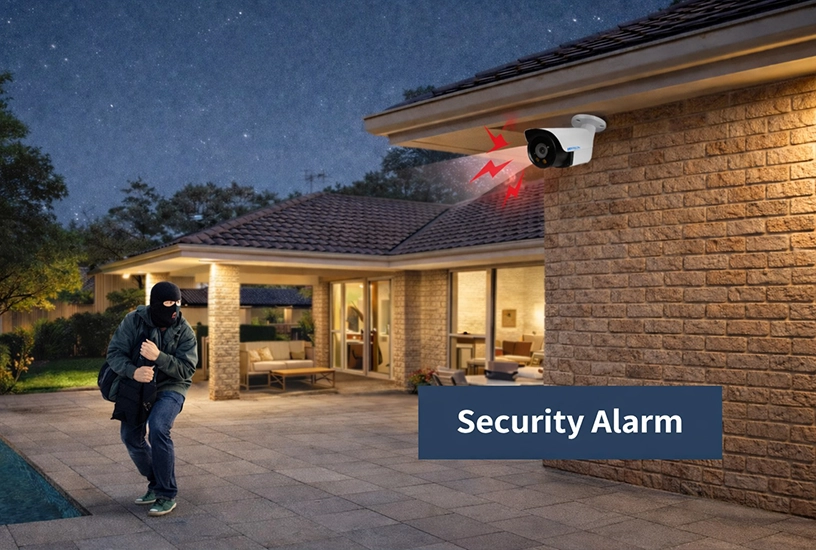
A security alarm system is a connected network of devices designed to detect unauthorised access, suspicious activity, or potential environmental risks—and alert you or a professional monitoring service the moment something isn’t right.
At its core, a typical alarm system includes:
- Sensors that detect movement, door or window openings, or glass breakage
- A control panel, which acts as the system’s central hub or “brain”
- An alarm or siren to deter intruders and immediately alert occupants
- User controls, such as keypads or mobile apps, allowing you to manage the system easily
Modern security alarm systems often go a step further by integrating with additional smart technologies, including:
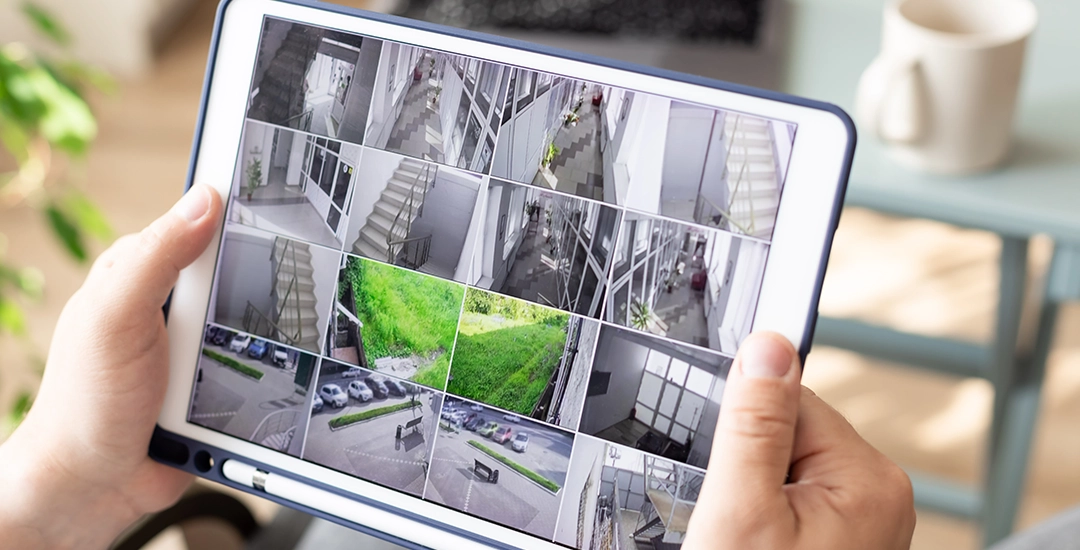
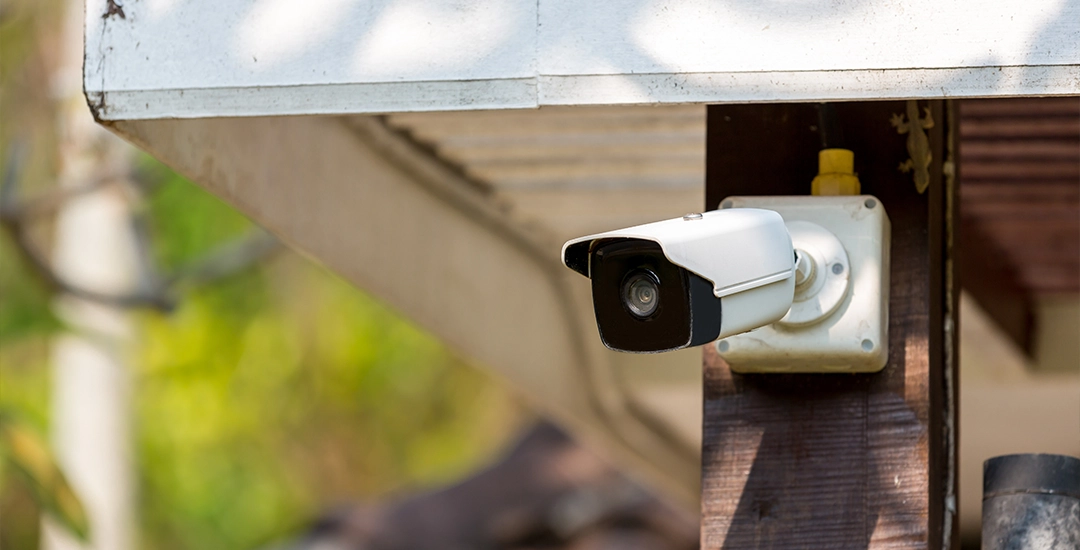
- CCTV cameras for visual verification and recording
- Smart locks for controlled access
- Smoke and heat detectors for early fire detection
- Mobile notifications and remote monitoring, keeping you informed wherever you are
Ultimately, the goal of a security alarm system isn’t just to react after something happens—it’s to detect threats early, deter unwanted activity, and prevent incidents from escalating in the first place.
Why security alarm systems matter more than ever
Deterrence is powerful
Most break-ins are opportunistic rather than planned. A visible, professionally installed alarm system sends a clear message that your property isn’t an easy target—often enough to make intruders move on before any damage is done.
Faster response when it counts
When an alarm is triggered, alerts can be sent instantly—whether to your mobile phone, a professional monitoring centre, or emergency services. That speed can make a real difference, helping to reduce damage, loss, and risk to people inside the property.
Protection beyond burglary
Today’s alarm systems do far more than deter intruders. Many are designed to detect environmental threats as well, including:
- Fire and smoke
- Carbon monoxide
- Flooding or water leaks
This broader protection helps safeguard not just your belongings, but your health and safety too.
Peace of mind, wherever you are
Whether you’re at work, on holiday, or simply out for dinner, knowing your property is being monitored provides a quiet confidence that’s hard to put a price on. It’s reassurance that someone—or something—is always keeping watch, even when you can’t.
Your reliable security alarm system installation in five steps
A professional security alarm installation involves far more than simply mounting a few sensors on the wall. It’s a carefully planned process designed to suit your property, lifestyle, and level of risk—ensuring the system works effectively from day one.
1. Site assessment and security planning
A qualified installer will begin with a thorough assessment of your property, including:
- Entry and exit points
- Vulnerable areas such as windows, garages, and side access
- The layout of the property and your daily routines
This step ensures the system is tailored to your actual needs—rather than selling you the most expensive option.
2. System design and device placement
Based on the assessment, the installer will design a system that provides the right level of coverage. This includes decisions around:
- Motion sensor locations
- Door and window sensor coverage
- Control panel placement
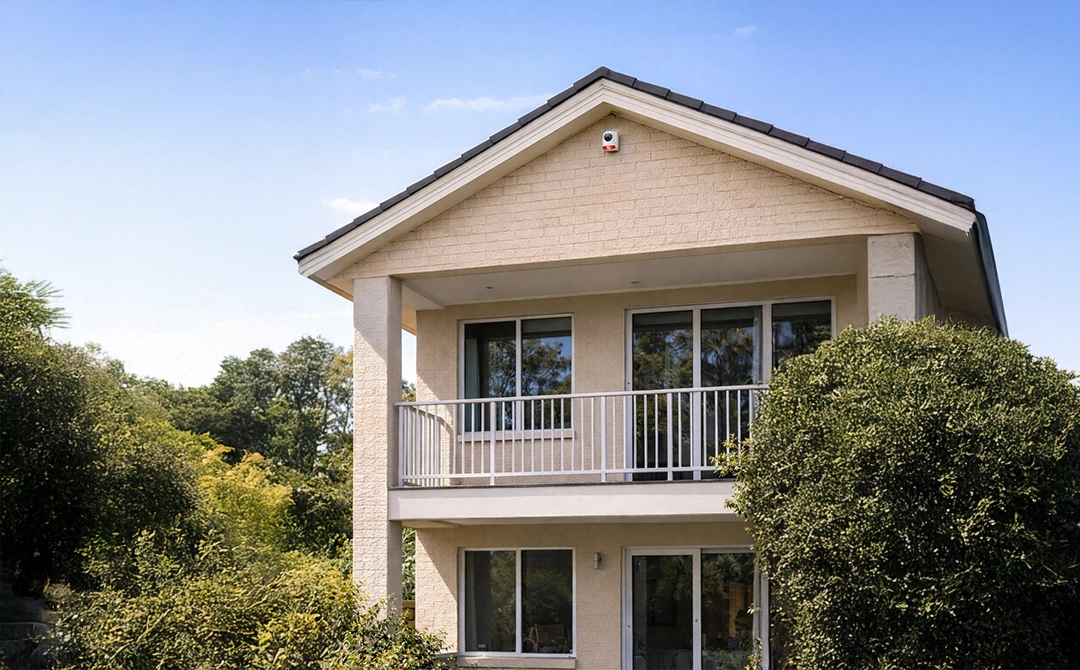
- Internal versus external sirens
Correct placement is critical. Poorly positioned sensors can lead to blind spots, nuisance alarms, or missed activity.
3. Professional wiring or wireless setup
Depending on the system type, installers will ensure:
- Secure, neatly concealed wiring where required
- Reliable wireless connectivity
- Backup power solutions in case of outages
This helps keep the system running even during unexpected interruptions.
4. System programming and testing
Before the system is handed over, it is:
- Programmed to suit your specific preferences
- Tested thoroughly under real conditions
- Checked for accuracy, reliability, and responsiveness
Nothing is left to chance.
5. User training and handover
You’ll be guided through how to:
- Arm and disarm the system confidently
- Use mobile apps or control panels
- Manage alerts and notifications
- Troubleshoot basic issues
A good installer won’t rush this final step—because the system only works well if you’re comfortable using it.
Which alarm system is your best match?
Not all alarm systems are the same. The right choice depends on your property, lifestyle, and how much control or support you want. Below are the main types to consider.
Wired vs wireless systems
- Wired systems are known for their reliability and are often best suited to new builds or major renovations, where cabling can be installed neatly during construction.
- Wireless systems offer greater flexibility, are quicker to install, and are ideal for existing homes or businesses where minimal disruption is preferred.

Monitored vs unmonitored systems
- Monitored systems are connected to a professional monitoring centre that responds when an alarm is triggered—contacting you or emergency services if needed.
- Unmonitored systems alert you directly through a siren or mobile notification, giving you full control over the response.
Smart alarm systems
Smart alarm systems integrate seamlessly with your phone and other smart devices, offering added convenience and control. Features often include:
- Remote arming and disarming
- Live alerts and notifications
- Automation with lights, smart locks, and security cameras
These systems are especially popular for people who want real-time visibility and control, no matter where they are.
How to find a good security alarm provider
Choosing the right security alarm provider is just as important as choosing the system itself. A well-designed alarm can only perform as well as the people who install and support it.
Look for experience and credentials
A reputable provider should be:
- Properly licensed and insured
- Experienced in residential, commercial, or both types of installations
- Familiar with local regulations, standards, and compliance requirements
Experience matters—especially when it comes to system design and long-term reliability.
Ask about customisation
Be wary of one-size-fits-all solutions. A good provider will take the time to understand your property and tailor the system to suit your specific needs, risks, and budget.
Check reviews and reputation
Customer reviews and testimonials can provide valuable insight into:
- System reliability
- Quality of after-installation support
- Professionalism and communication
Consistent feedback is often a strong indicator of what you can expect.
Understand ongoing support
Security isn’t a “set and forget” investment. Before committing, ask about:
- Maintenance and servicing plans
- Warranty coverage
- Monitoring options
- Future system upgrades or expansions
Reliable ongoing support ensures your system continues to perform when it matters most.
Common mistakes to avoid
- Choosing price over quality
- Installing too few sensors or leaving vulnerable areas unprotected
- Skipping professional installation
- Forgetting to maintain or update the system
When it comes to security, cutting corners often costs more in the long run—both financially and in peace of mind.
Security that grows with you
One of the greatest advantages of modern security alarm systems is their ability to scale as your life or business evolves. Whether you’re welcoming new family members, renovating your home, or expanding your business, your security system can be adapted to match those changes.
When a system is professionally planned from the outset, adding cameras, upgrading sensors, or integrating smart features becomes simple and seamless. It means your security doesn’t just protect you today—it continues to support you well into the future.
Security is personal, so get the right advice
Talk to professionals who understand how you use your space. Security alarm system installation isn’t just about technology. It’s about understanding how you live, work, and move through your space every day. That’s the only way to design a bespoke solution that truly secures your day to day life.
Find a qualified security professional to help you choose a system that:
- Fits your property
- Matches your lifestyle or business operations
- Protects what matters most
- Delivers genuine, lasting peace of mind
If you’re considering installing or upgrading a security alarm system, take the time to speak with experienced professionals. The right advice today can make all the difference tomorrow. It’s time to get the ideal security system working quietly, reliably, and reassuringly in the background while you get on with life.