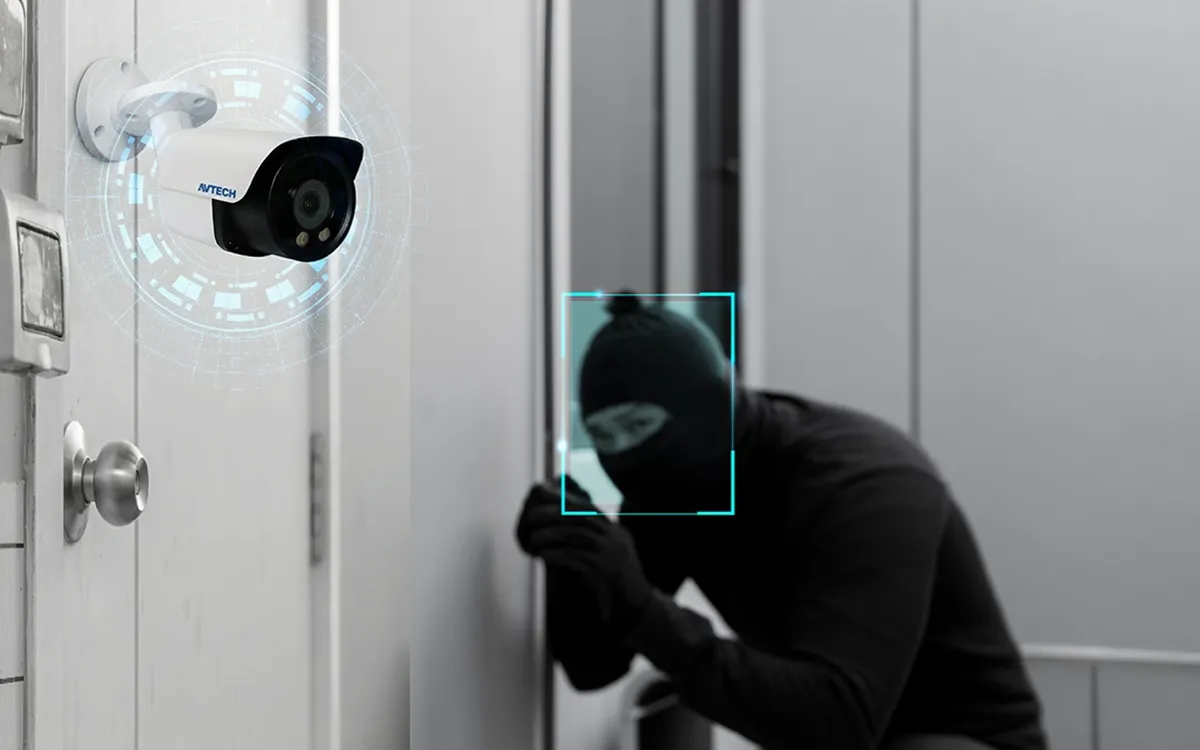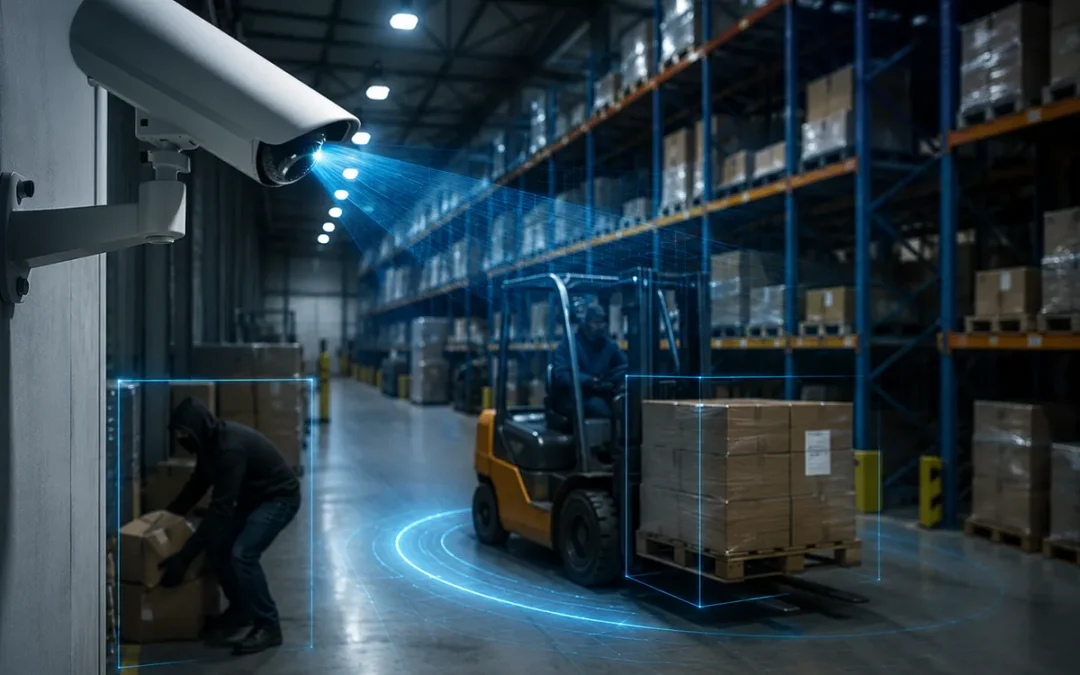
How AI surveillance helps prevent warehouse theft
It’s 2:00 AM and the warehouse appears perfectly secure. Cameras are recording, gates are locked, and the building sits quietly in the dark. Yet modern theft rarely announces itself. Intruders often move carefully, avoid obvious entry points, and take advantage of blind spots or delayed responses.
Traditional surveillance systems are designed to capture evidence. They provide valuable evidence after an incident occurs, but by then, the opportunity to intervene has already passed. Preventing incidents in real time is another challenge entirely. Normal cameras aren’t up to that task.
Artificial intelligence is changing how we treat threats. Instead of simply documenting activity, AI-powered surveillance analyses what is happening and identifies behaviour that falls outside normal patterns. This allows businesses to respond earlier, reduce losses, and improve security without relying solely on physical patrols.
Why traditional warehouse security has limitations
Conventional cameras and motion sensors have long played an important role in protecting commercial facilities. Yet they have several limitations.
Most systems are reactive. Footage is reviewed after an incident has already occurred. Human operators monitoring multiple screens can experience fatigue, especially during overnight shifts when activity is minimal. Standard motion detection also struggles to distinguish genuine threats from harmless movement.
Shadows, insects, rain, vegetation, and stray animals can trigger false alarms, creating unnecessary interruptions and causing important events to be overlooked.
Warehouses storing valuable stock require more than passive recording. They need systems capable of recognising unusual activity as it unfolds.
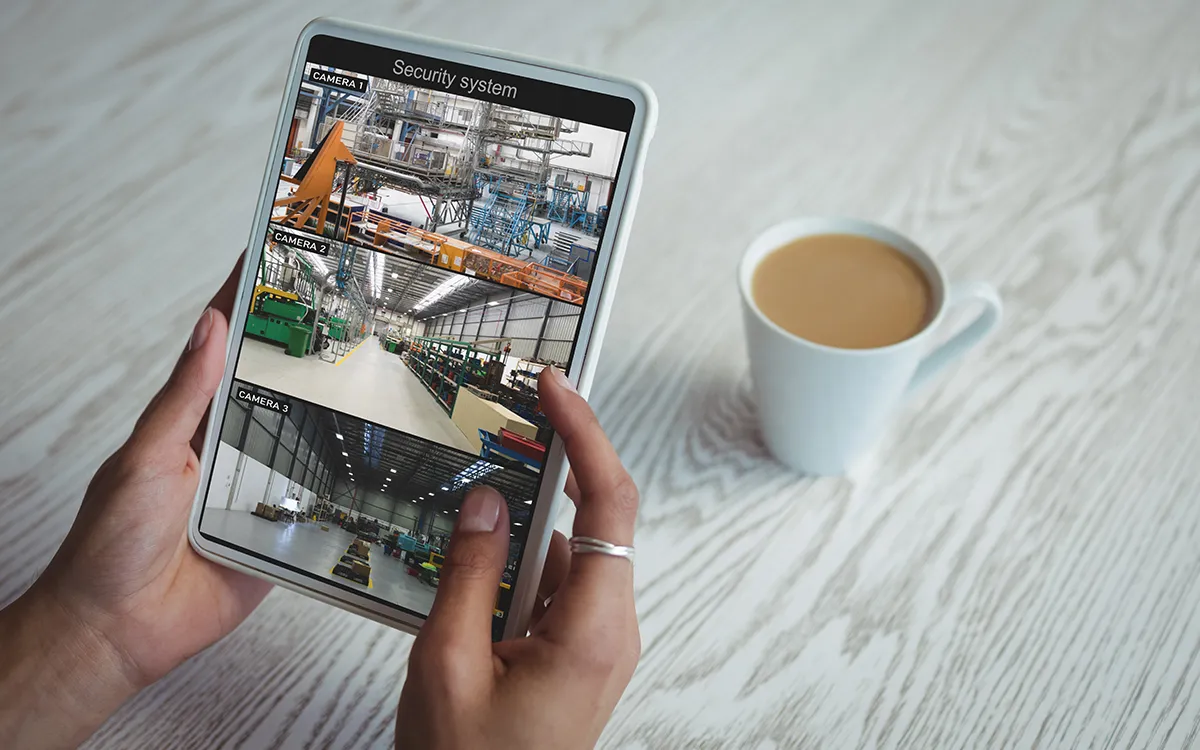
What is anomalous behaviour detection?
Artificial intelligence introduces the ability to identify what security professionals call anomalous behaviour. In simple terms, this means detecting activity that differs from what is considered normal for a particular facility.
Examples include:
- A vehicle parked near the loading dock fence for an extended period.
- A person lingering around a side entrance late at night.
- Flashlights moving inside a dark warehouse after operating hours.
- Unauthorised forklift operation outside scheduled shifts.
- Repeated movement near high-value storage areas.
- Individuals entering restricted zones without approval.
Rather than reacting to any movement, AI looks for patterns that suggest suspicious or unusual behaviour.
This creates a smarter and more targeted approach to security.
How machine learning learns your facility
Every warehouse operates differently. Delivery schedules, staff movements, and equipment usage vary from one site to another, and even from day to day.
Machine learning enables AI surveillance systems to learn these patterns over time, building a baseline of what normal operations look like for each individual site.
Over time, the software learns:
- Typical vehicle routes
- Regular staff movements
- Operating hours
- High-traffic areas
- Patterns associated with routine activity
Once this baseline is established, unusual events stand out immediately.
This ability to adapt makes AI surveillance particularly valuable for warehouses, distribution centres, and logistics facilities with changing operational requirements.
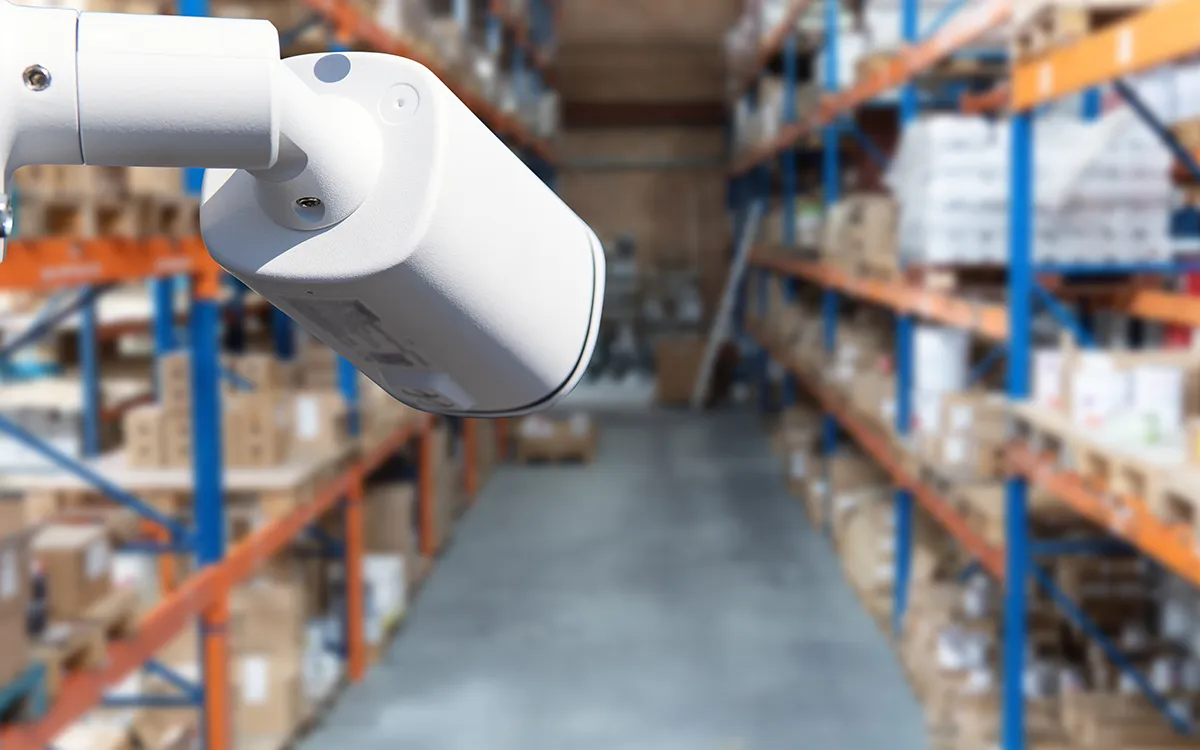
Why AI is more accurate than basic motion detection
Traditional motion sensors simply react to movement.
AI-powered systems take a far more sophisticated approach. Instead of analysing pixels alone, they recognise the shapes, size, direction, and behaviour of people and vehicles.
This allows the system to distinguish between:
- A person walking near a restricted area.
- A forklift operating in an unusual location.
- A cat crossing the yard.
- Trees swaying during strong winds.
- Rain or shadows moving across the ground.
The result is significantly fewer false alarms and greater confidence that alerts represent genuine security concerns.
Real-time alerts enable faster responses
Speed matters when protecting valuable inventory.
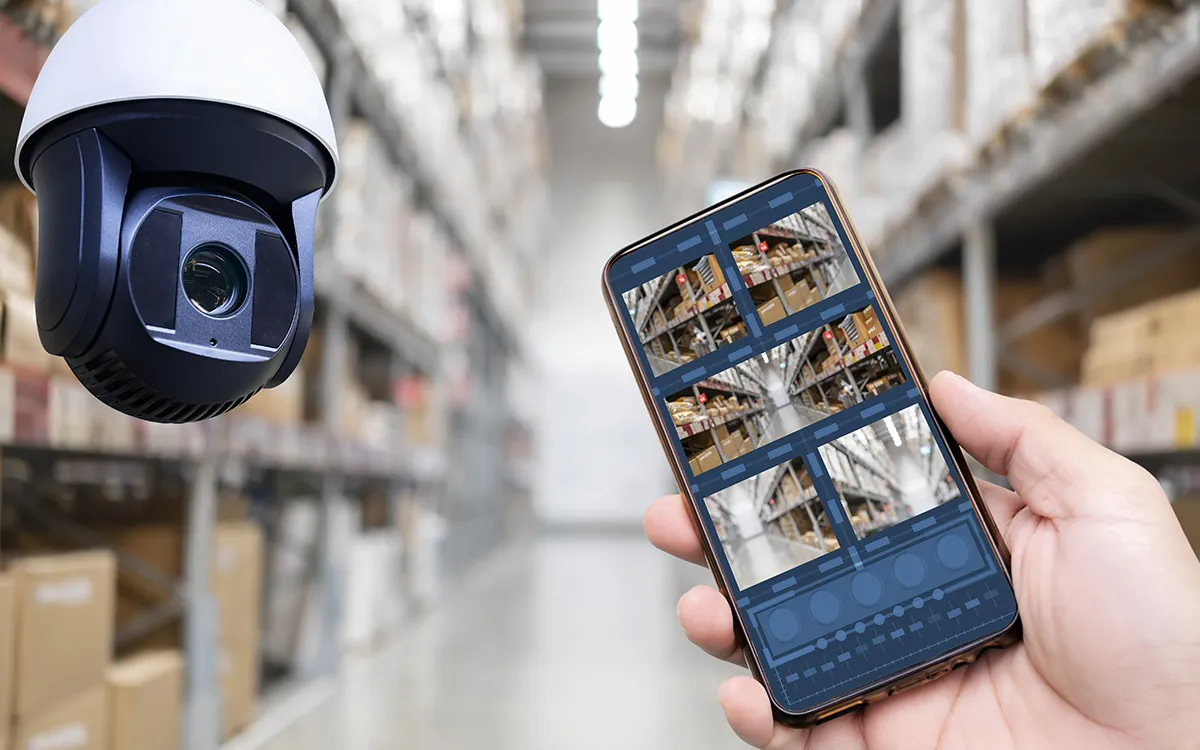
AI surveillance can send immediate notifications when suspicious activity is detected. Security personnel, business owners, or remote monitoring centres receive alerts together with video clips showing exactly what triggered the event.
This allows rapid assessment and response before situations escalate.
In many cases, intervention can occur while an incident is still unfolding, reducing losses and improving the chances of preventing theft or vandalism altogether.
Operational insights during business hours
AI cameras provide benefits beyond overnight protection.
During normal operations, the same system can help improve efficiency and workplace safety.
Applications include:
AI can detect unsafe driving practices, speeding, or operation in restricted areas, helping reduce workplace incidents.
Cameras can reveal areas where forklifts, pallets, or personnel regularly cause delays, allowing managers to optimise workflow.
Video analytics assist businesses in maintaining safety procedures and documenting events when investigations are required.
This transforms surveillance systems from simple security tools into valuable operational assets.
Reducing costs without sacrificing protection
Maintaining around-the-clock physical patrols can be expensive.
AI surveillance does not replace security personnel entirely, but it allows businesses to use resources more effectively. Intelligent monitoring systems act as tireless digital guards, continuously monitoring every camera feed without distraction or fatigue.
Benefits include:
- Fewer false alarms
- Reduced unnecessary callouts
- Lower labour costs
- Faster incident response
- Improved asset protection
- Enhanced security coverage across large facilities
For many businesses, AI becomes a force multiplier that strengthens existing security teams.

Upgrading existing systems may be easier than you think
Many warehouse operators assume AI requires replacing their entire surveillance infrastructure.
In reality, modern AI solutions can often integrate with existing IP camera networks.
Edge devices and cloud-based platforms allow businesses to add intelligent analytics without undertaking a complete system replacement.
This approach can deliver significant improvements while maximising the value of current equipment.
Features to check for
Not all AI surveillance systems offer the same capabilities.
Important features include:
Open platform compatibility: Systems should integrate with existing cameras and infrastructure wherever possible.
Customisable alert rules: Every facility has different requirements. Flexible settings help ensure alerts are relevant to your operations.
Low latency performance: Real-time detection and rapid notifications are essential for effective response.
Remote monitoring integration: Professional monitoring services can provide additional oversight and immediate escalation when incidents occur.
Scalability: As operations grow, security systems should expand easily without requiring major upgrades.
Why warehouses are becoming prime targets
Warehouses often contain millions of dollars worth of stock, equipment, and materials. E-commerce growth and increasing supply chain complexity have made these facilities attractive targets for organised theft.
Criminals have become more strategic, taking advantage of delayed responses and relying on the fact that conventional systems are often designed to document incidents rather than prevent them.
Intelligent surveillance changes that equation by introducing proactive detection and faster intervention.
Turn cameras into tireless digital guards
Leaving valuable inventory protected by passive recording alone leaves a window of opportunity for theft and other security incidents. It’s time to shut that window.
Artificial intelligence transforms surveillance from a system that merely captures events into one that actively analyses and responds to them. By learning normal activity and identifying unusual behaviour, AI helps warehouses detect threats sooner, reduce false alarms, and strengthen protection around the clock.
No two facilities are the same. Our team will assess your site, identify vulnerabilities, evaluate your existing surveillance infrastructure, and recommend an AI-powered solution tailored to your environment. From system design and installation to ongoing support, we’ll help you implement intelligent surveillance that protects your people, assets, and operations around the clock.