
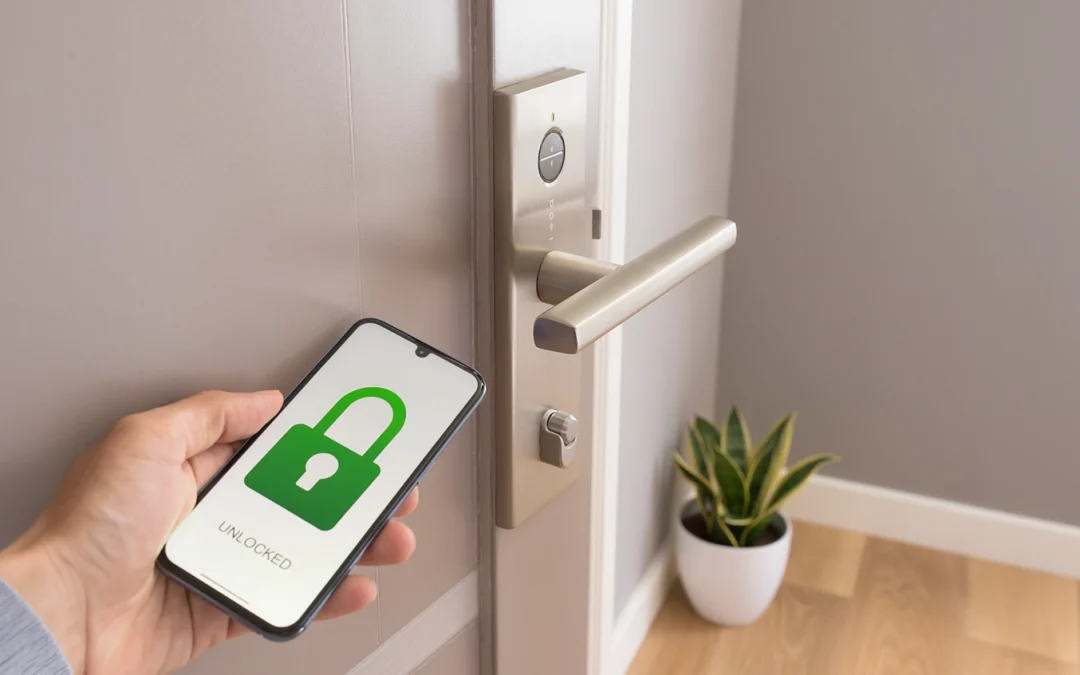
Can smart locks truly secure your home?
Imagine arriving home with shopping bags in both hands and unlocking your front door with a quick fingerprint scan or a tap on your phone. No searching for keys. Just seamless entry.
Smart locks have transformed the way many homeowners think about security and convenience. They offer remote access, guest codes, activity tracking, and integration with modern smart home systems. Yet despite their growing popularity, the move from a traditional key to a smart lock naturally raises questions about safety and reliability.
For some, replacing a regular key with digital technology feels like introducing new risks into the home. Stories about hacking, software glitches, and cybercrime have fuelled concerns about whether smart locks are truly safe.
However, many of these concerns come from misunderstandings about how modern smart locks actually work.
Smart locks can be remarkably secure when properly installed and configured. In many cases, they solve security problems that traditional locks have never addressed particularly well. Understanding how they work, where the real risks lie, and how to strengthen their protection makes all the difference.
This guide explores the technology behind smart locks, debunks common myths, and explains how homeowners can confidently secure their property in a connected world.
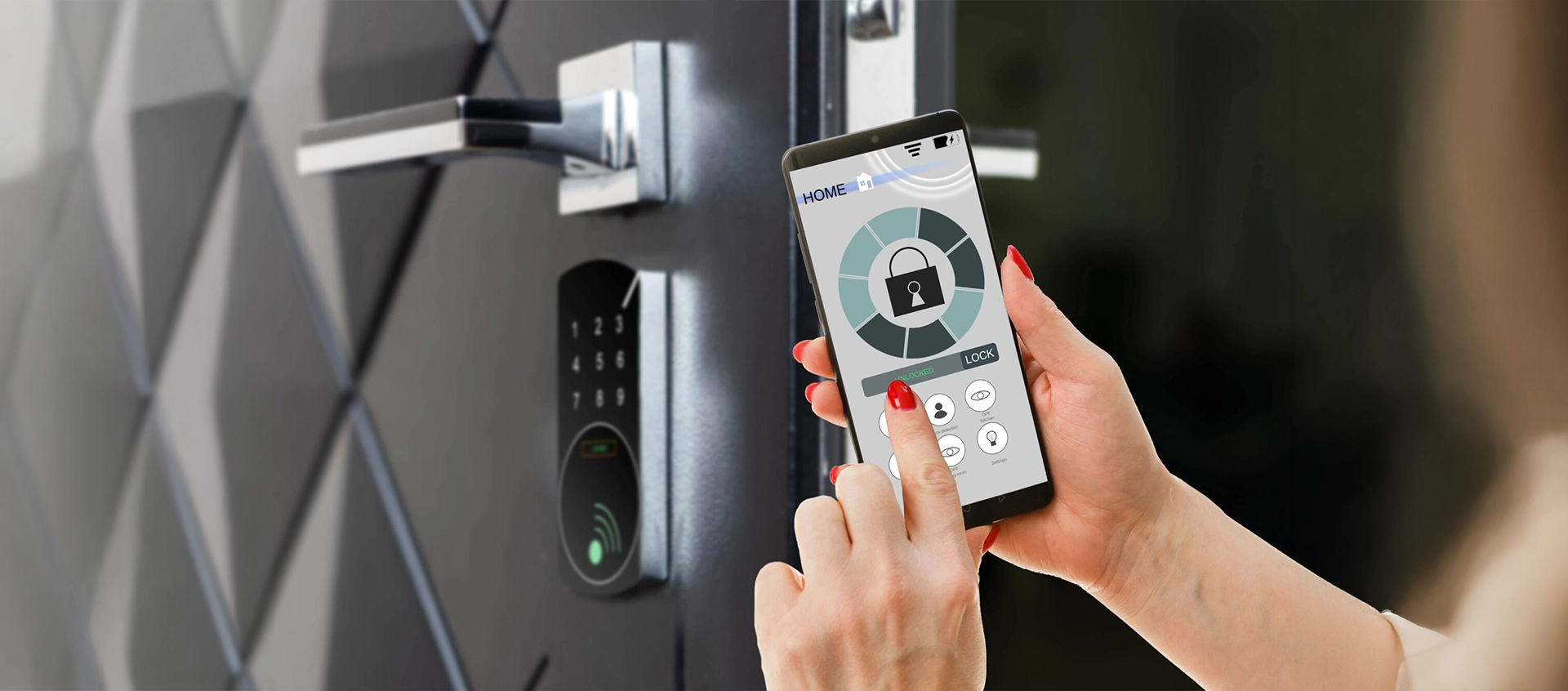
How do smart locks work?
At their core, smart locks are still physical locks. The heavy-duty deadbolt attached to the door remains an essential security barrier. The difference lies in how the lock is activated.
Instead of relying solely on a metal key, smart locks use digital methods to control access. Depending on the model, this may include:
- Smartphone apps
- PIN codes
- Fingerprint recognition
- Bluetooth connectivity
- Wi-Fi access
- Voice assistant integration
- Key cards or fobs
Many smart locks communicate through encrypted wireless protocols such as Bluetooth, Wi-Fi, or Z-Wave. These systems allow authorised users to lock and unlock doors remotely while maintaining secure communication between devices.
The physical hardware itself is often comparable to high-quality traditional deadbolts. Reputable brands build smart locks with reinforced materials, tamper alerts, and advanced authentication features designed specifically for residential security.
The lock has not become weaker simply because it is digital. Instead, modern smart locks combine strong physical protection with digital features that improve control, awareness, and everyday security.
What is smarter about smart locks
The appeal of smart locks extends beyond convenience. They also provide greater visibility and control over who enters the property and when, which is particularly valuable for busy households, short-term rental properties, or families managing multiple access points.
Practical advantages include:
- Temporary access codes for guests or tradespeople
- Remote locking from anywhere
- Instant notifications when the door is opened
- Automatic locking after entry
- Elimination of spare keys hidden outside
- Easy removal of access for former tenants or lost devices
Traditional locks rarely provide this level of oversight. For many homeowners, the ability to monitor access activity alone represents a significant upgrade in security awareness.
Debunking the biggest smart lock myths
The appeal of smart locks extends beyond convenience. They also provide greater visibility and control over who enters the property and when, which is particularly valuable for busy households, short-term rental properties, or families managing multiple access points.
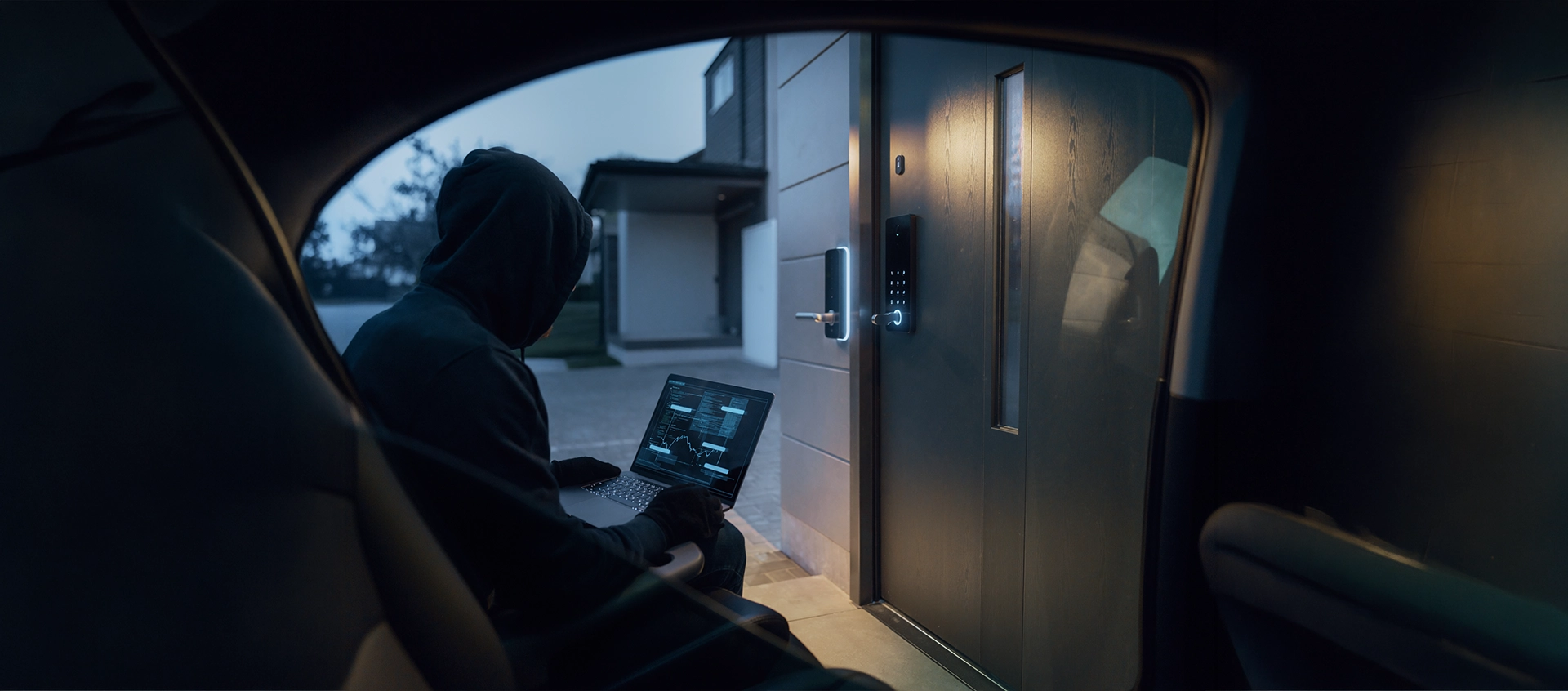
Myth 1: Hackers can easily unlock smart doors
This is one of the most widespread fears surrounding smart locks. The idea of someone standing outside with a laptop and instantly bypassing a front door makes for compelling movie scenes. Real-world smart lock hacking is far less straightforward.
Most reputable smart locks use AES 128-bit or AES 256-bit encryption, which is the same level of protection widely used in online banking and secure digital communications. This encryption makes intercepted data extremely difficult to decipher.
The larger risk is rarely the lock itself. Weak passwords, outdated firmware, or unsecured home Wi-Fi networks are more common vulnerabilities. In practical terms, a poorly secured online account often poses a greater threat than the smart lock hardware. Strong digital habits significantly reduce these risks.
What improves protection?
- Unique passwords
- Two-factor authentication
- Regular software updates
- Secure home network settings
In most cases, opportunistic burglars are still more likely to take advantage of unlocked doors, hidden spare keys, or easy access points than attempt advanced digital intrusion.
Myth 2: A power outage or dead battery will lock you out
The thought of a smart lock suddenly losing power can understandably make homeowners nervous. After all, nobody wants technology to become the reason they cannot enter their own home.
However, modern smart locks are designed with this scenario in mind. Most operate independently using internal batteries rather than relying on household electricity, meaning a power outage will not usually affect normal operation.
Quality smart locks also include multiple layers of backup protection, such as:
- Low battery warnings well before replacement is required
- Emergency charging terminals
- Physical key overrides
- Backup power options
Some models even allow temporary external power through a 9V battery terminal, giving homeowners a way to activate the lock if the internal batteries are completely depleted.
With basic maintenance and attention to battery notifications, unexpected lockouts are easily avoided.
Myth 3: Smart locks are easier to pick or bypass
Traditional locks have their own vulnerabilities, including lost keys, unauthorised copies, lock picking, and methods designed to manipulate the internal mechanisms of keyed locks.
Smart locks do not automatically remove every security risk, but many models are designed to reduce common weaknesses associated with conventional keyed entry. Fully keyless models eliminate the keyhole entirely, removing one of the most familiar physical attack points.
Hybrid smart locks with backup keys often use higher-quality cylinders and tamper-resistant designs to provide stronger protection than basic residential locks.
Of course, any lock is only one part of home security. A premium smart lock cannot compensate for a weak door, poor installation, or vulnerable entry points.
Strong home protection comes from combining secure access technology with:
- Reinforced door frames
- Solid core doors
- Quality hinges
- Exterior lighting
- Security cameras where appropriate
Smart locks vs traditional locks: Which is actually safer?
The comparison is not simply about digital versus mechanical security. Traditional locks feel familiar because their limitations have been accepted for generations, while newer technology is often expected to prove itself. A fair comparison looks at both sides, and smart locks can address many long-standing security challenges that traditional locks cannot.
Risks associated with traditional locks
- Lost or stolen keys
- Duplicate copies without permission
- Hidden spare keys
- Forgotten unlocked doors
- No visibility into who accessed the property
Risks Associated with Smart Locks
- Weak app passwords
- Poor network security
- Outdated firmware
- Low-quality products from unreliable manufacturers
The key difference is that smart lock risks can often be monitored and managed more actively.
Many smart locks provide:
- Access logs
- Instant activity alerts
- Remote locking capability
- Time-restricted guest access
- Integration with security systems
A traditional lock cannot notify you that the door was left unlocked or tell you exactly when someone entered the property. That level of awareness changes how homeowners manage security.
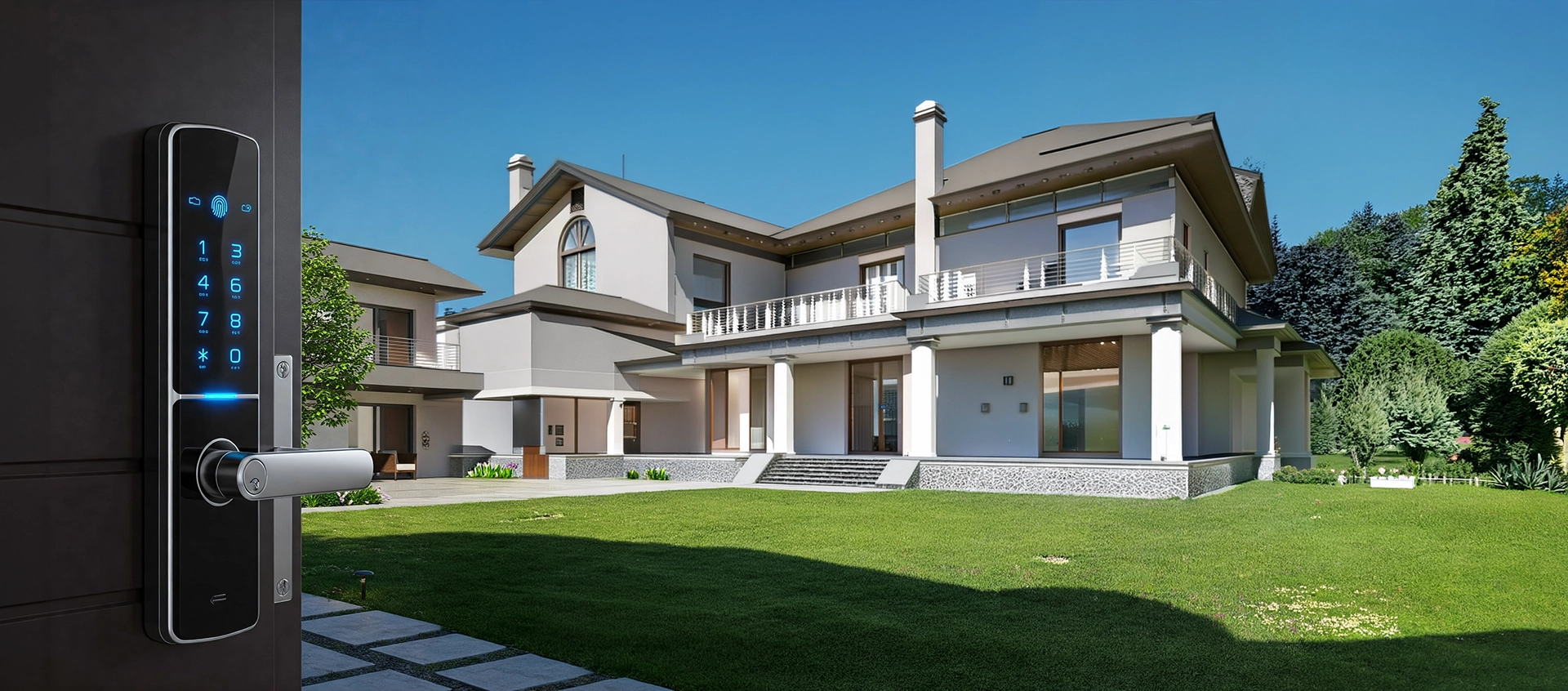
Finding a smart lock you can trust
Not all smart locks offer the same level of protection. Higher-quality systems often include advanced features designed specifically to strengthen residential security.Encrypted communication: Strong encryption prevents outsiders from intercepting lock commands or user credentials.
Auto-locking:This feature automatically secures the door after a set period, reducing the chance of accidental exposure.
Tamper alerts: Some locks can detect forced entry attempts and immediately send alerts to the homeowner.
Temporary digital keys: Short-term access codes allow homeowners to grant entry without sharing permanent credentials or physical keys.
Biometric authentication: Fingerprint access adds another verification layer that is difficult to replicate.
How to strengthen your smart lock security
Technology is only as secure as the habits surrounding it.
Fortunately, improving smart lock security does not require advanced technical knowledge. A few practical measures make a significant difference.
Enable two-factor authentication
Two-factor authentication adds a second verification step when accessing the smart lock account. Even if a password is compromised, unauthorised access becomes far more difficult.
Keep firmware updated
Manufacturers regularly release updates that improve performance and patch vulnerabilities. Delaying updates leaves avoidable gaps in protection.
Activate auto-lock features
Automatic locking helps prevent one of the most common security mistakes: accidentally leaving the door unlocked.
Choose reputable brands
Established manufacturers invest more heavily in security testing, encryption standards, and ongoing software support.
A low-cost device with poor security practices can introduce unnecessary risk.Use strong, unique passwords
Avoid reusing passwords across multiple accounts. A dedicated password for your smart lock app reduces exposure if another service experiences a data breach.
Secure your home Wi-Fi network
A strong Wi-Fi password and modern router encryption help protect all connected devices within the home.
More advanced users may also choose to place smart home devices on a separate network or VLAN for additional isolation.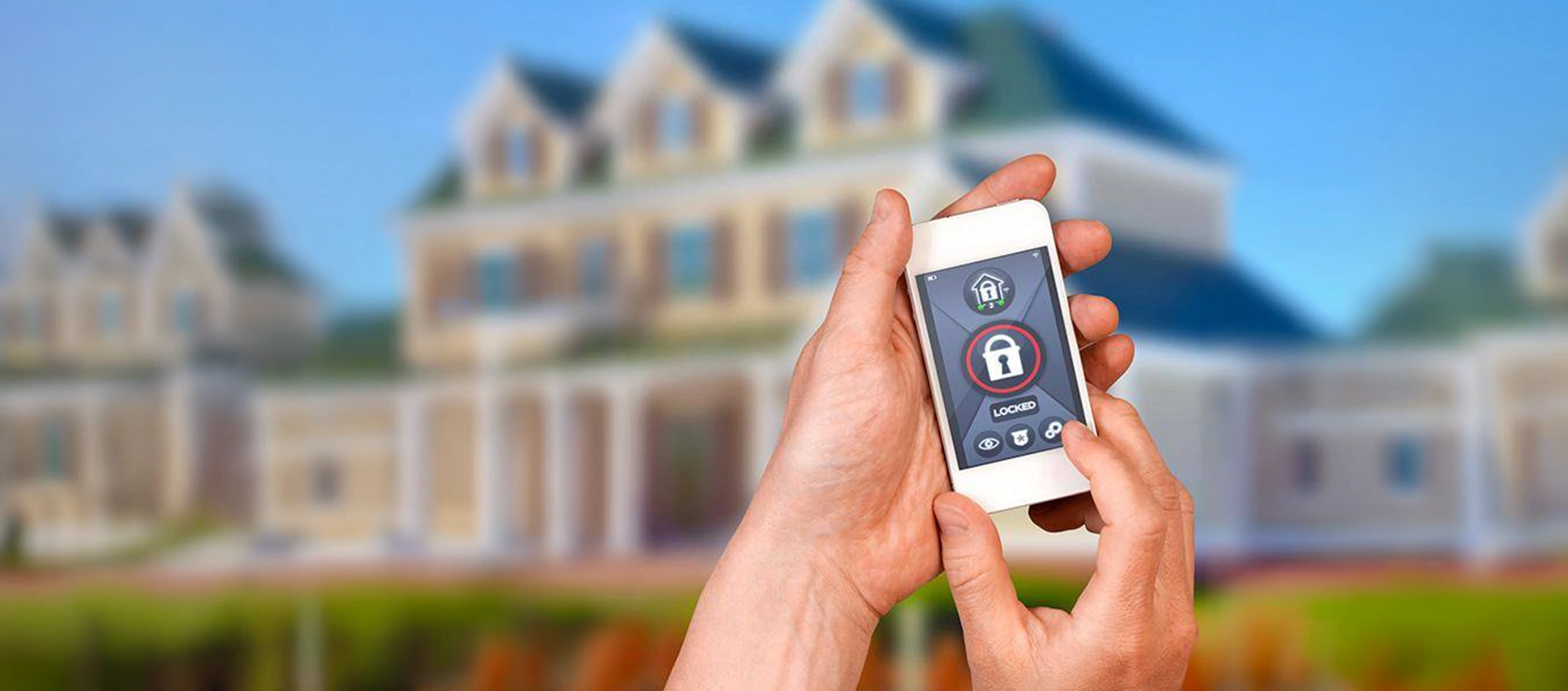
Are smart locks safe for families and rental properties?
Smart locks are particularly useful in situations where access management changes frequently.
Families benefit from keyless entry for children, activity notifications, and reduced reliance on spare keys. Rental property owners and Airbnb hosts can issue temporary digital codes without meeting guests in person or replacing locks between stays.
For elderly homeowners or individuals with mobility limitations, smart locks can also improve accessibility and day-to-day convenience.
When paired with sensible security practices, these systems offer both practicality and peace of mind.
The future of home security is layered
No single lock can guarantee complete protection.
The safest homes rely on layered security strategies that combine strong physical barriers, smart technology, awareness, and good habits.
Smart locks are not magic solutions, nor are they inherently dangerous. They are tools. When properly chosen and responsibly managed, they can strengthen residential security while simplifying daily life.
The conversation is gradually shifting away from whether smart locks are safe and towards how homeowners can use them intelligently.
Should you make the switch?
Smart locks are safe for the vast majority of homeowners when paired with basic digital security practices and quality installation.
The fear surrounding smart lock hacking often overshadows the very real weaknesses of traditional locks, including lost keys, unauthorised duplication, and simple human forgetfulness. Modern smart locks address many of these longstanding issues while offering greater visibility and control.
Choosing the right system matters. Professional guidance can help homeowners select locks that suit their property layout, security goals, and smart home setup without compromising reliability or ease of use.
A well-secured home is rarely built around one device alone. It comes from thoughtful decisions, trusted technology, and security measures designed to work together seamlessly.