
Do smoke alarms expire?
You press the test button, hear a loud beep and assume your smoke alarm is doing its job. Yet a successful test does not necessarily mean an older alarm can still detect smoke as reliably as it should.
Smoke alarms work around the clock, but their components can deteriorate with age. That’s why Queensland requires smoke alarms to be replaced within 10 years of manufacture. And with the state’s final smoke alarm compliance deadline approaching on 1 January 2027, now is a good time to check both the age and suitability of your alarms.
How long do smoke alarms last?
Over time, dust, insects, environmental conditions and normal ageing can affect a smoke alarm’s sensing chamber and other internal components, potentially making it less reliable.
Importantly, the 10-year service life applies to the alarm itself, not its battery. Replacing the battery won’t extend the life of the unit.
The same applies to hardwired smoke alarms. Although they receive continuous power from the mains, their sensing components still age and eventually need replacing.
You shouldn’t wait until an alarm reaches 10 years if it’s already faulty. In Queensland, any smoke alarm that fails to operate when tested must also be replaced.
It splits your ears, but can it detect smoke?
That reassuringly deafening beep tells you your smoke alarm can sound a warning, but it doesn’t necessarily mean the alarm can still detect smoke reliably.
The test button checks whether the alarm’s warning system activates. It doesn’t fully assess how effectively the sensor would respond to smoke in a real fire. That’s why even an alarm that passes its regular test may still need replacing.
Regular maintenance is just as important. Queensland Fire Department recommends testing and cleaning your alarms routinely, as dust and debris can interfere with their operation. Following the manufacturer’s maintenance instructions will help keep them working as intended throughout their service life.
4 reasons to replace your your smoke alarm
The manufacture date is the most useful place to start.
Look on the back or side of the smoke alarm for a date, label or marking showing when it was manufactured. Depending on the model, you may need to carefully remove or unclip the alarm from its mounting plate to find the information.
If the alarm has passed the 10-year mark, replacement should not be delayed simply because it still sounds during testing.
A recurring chirp can have several causes, including a low battery, power interruption, fault or end-of-life warning.
Start by checking the manufacturer’s instructions and replacing a replaceable battery if appropriate. If the chirping continues, the alarm may need attention or replacement.
A persistent warning should not simply be ignored or silenced.
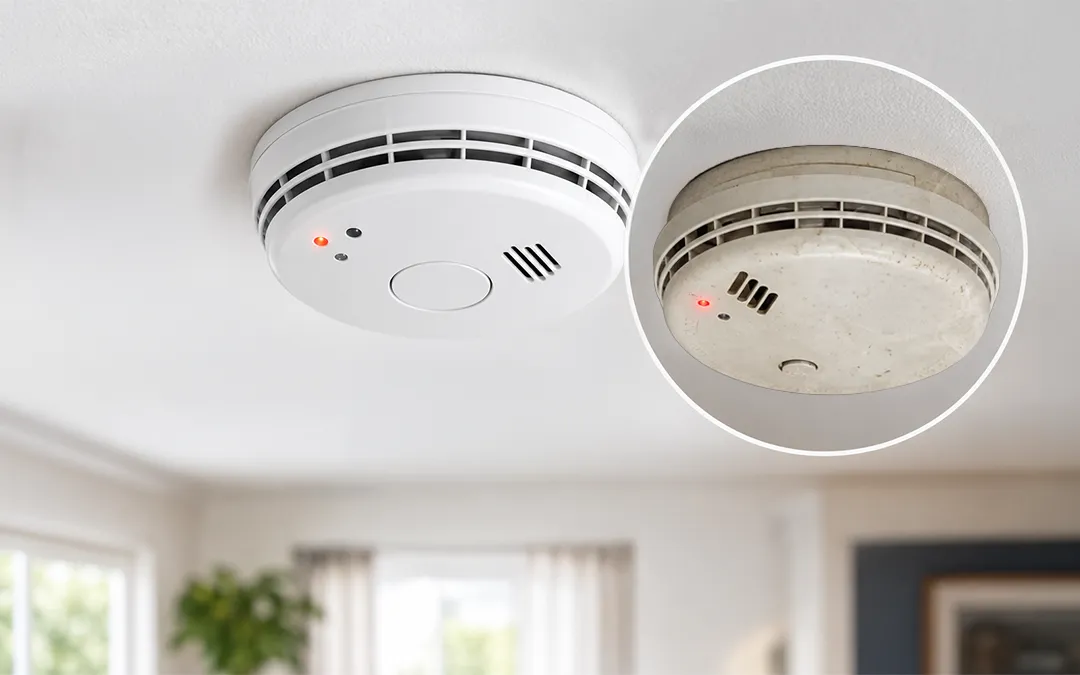
Yellowing, cracked plastic, corrosion, physical damage or other visible deterioration can indicate that an alarm has been exposed to age or environmental conditions.
Discolouration alone does not confirm that an alarm has expired, however. The manufacture date and the alarm’s operating condition are more reliable indicators.
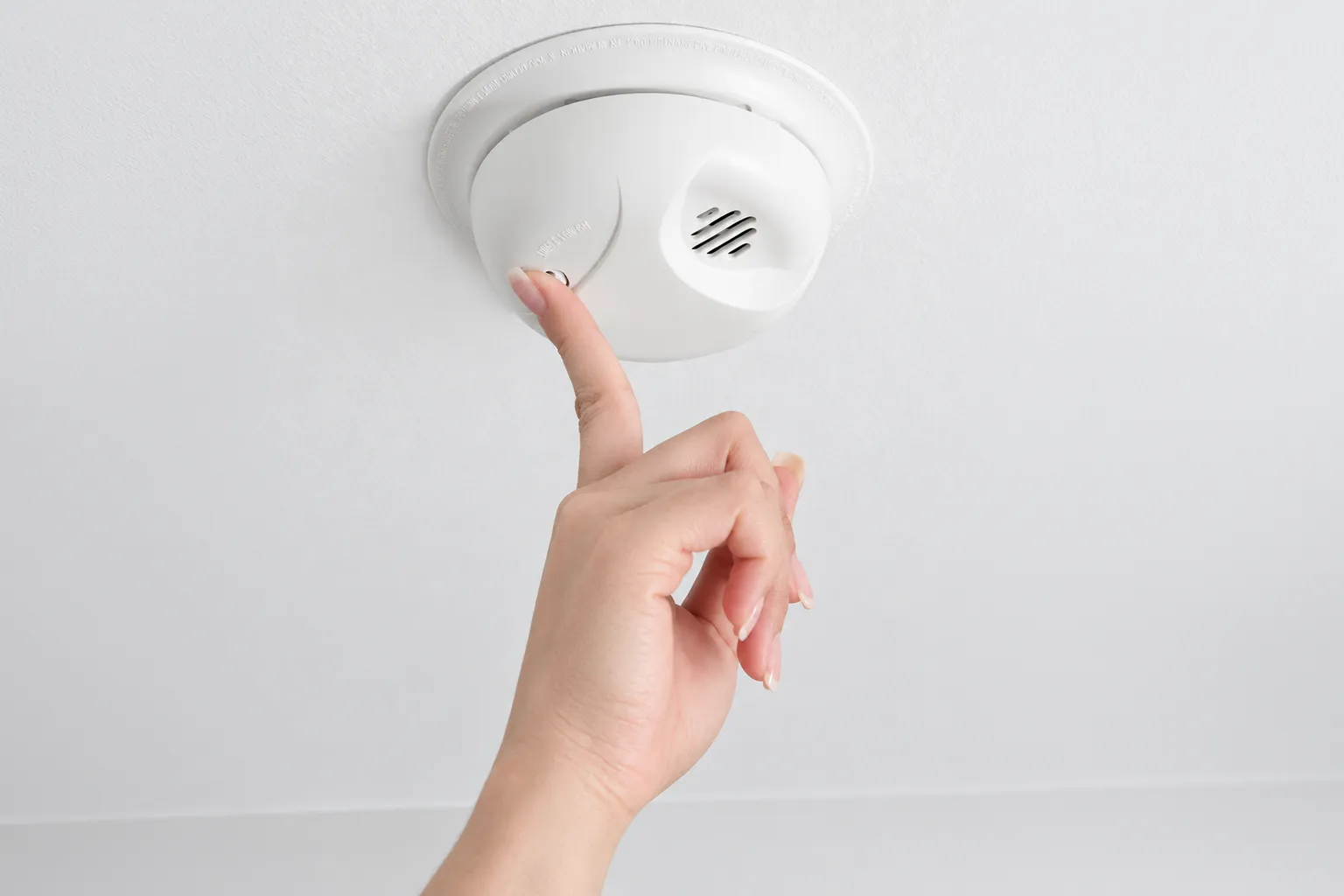
Press the test button according to the manufacturer’s instructions. The alarm should produce its expected warning sound.
If it does not operate correctly, replace it promptly. Queensland requirements specifically state that a smoke alarm that does not operate when tested must be replaced.
Avoid deliberately exposing a smoke alarm to smoke as a test. Follow the manufacturer’s recommended testing procedure instead.
What if you keep an expired smoke alarm?
An expired smoke alarm might still beep when tested, but can you trust it to respond when it really counts? As its components age, its ability to detect smoke reliably may deteriorate, potentially leaving you and your family with less protection than you think.
There’s also the matter of meeting Queensland’s smoke alarm requirements.
From 1 January 2027, all existing private homes, townhouses, units and manufactured homes in Queensland must have interconnected photoelectric smoke alarms. These must be installed in every bedroom, in hallways connecting bedrooms to the rest of the home (or relevant connecting spaces), and on every storey.
This marks the final stage of Queensland’s phased smoke alarm reforms. The updated requirements already apply to new and substantially renovated homes, as well as properties being sold or leased since 2022.
With the deadline approaching, it’s an ideal opportunity to check that your smoke alarms are both reliable and compliant.
How photoelectric and interconnected protect you
Queensland’s smoke alarm requirements are designed to give everyone in the home a better chance of being alerted to a fire, regardless of where it starts. Two important features make this possible: photoelectric smoke detection and interconnection.
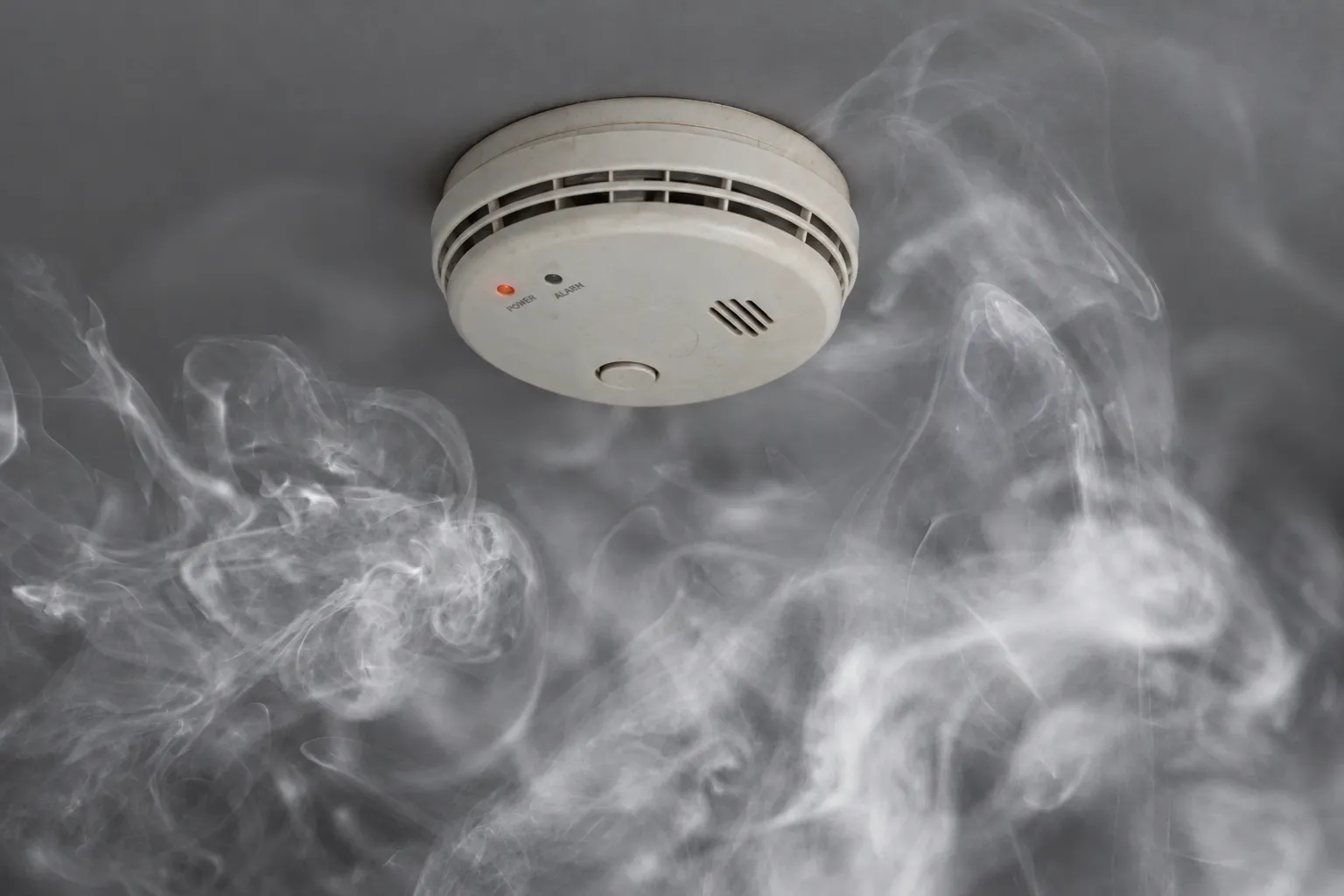
Photoelectric smoke alarms use light-based technology to detect smoke particles. They are particularly effective at detecting slow, smouldering fires, which can produce significant amounts of smoke before flames become visible. This makes them an important part of protecting your home and the people inside it.
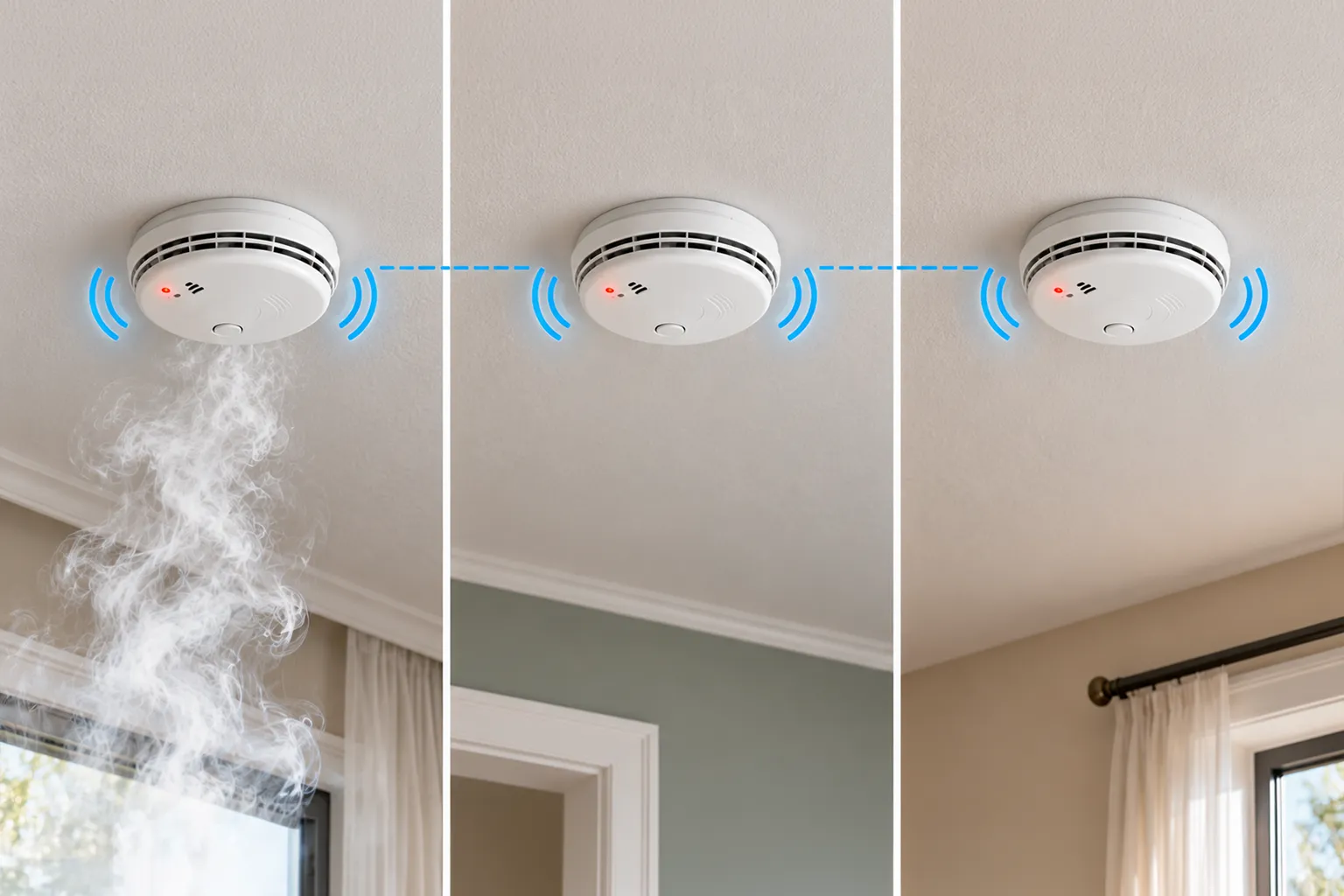
Interconnection adds another layer of protection. When one alarm detects smoke, every interconnected alarm sounds, helping ensure the warning can be heard throughout the property. This is especially valuable in larger homes or when family members are asleep in different rooms, as a fire starting in one area can trigger an early warning elsewhere.
To comply with Queensland’s requirements, smoke alarms must be photoelectric, interconnected, less than 10 years old and operational when tested. Together, these features help provide earlier, more widespread warnings when every second counts.
What about hardwired smoke alarms?
Replacing a hardwired smoke alarm is different from simply changing a battery-powered unit. Queensland guidance states that when an existing hardwired smoke alarm needs replacement, the replacement must also be hardwired. Hardwired smoke alarm installation should be carried out by a qualified electrician.
Some compliant wireless options use a non-removable 10-year battery and can be installed without mains wiring, subject to the requirements that apply to the property and the particular alarm.
If you are unsure which type is suitable for your home, professional advice can help you determine what needs to be replaced and whether the existing wiring can be retained.
Get your smoke alarms checked now
Smoke alarms are one of the simplest ways to protect your household, but they aren’t fit-and-forget devices. Regular testing, cleaning and checking their manufacture dates can help ensure they’re ready to respond when needed.
With Queensland’s 1 January 2027 deadline approaching, now is the time to check whether your alarms are up to date and compliant. If an alarm is approaching 10 years old, isn’t working correctly or doesn’t meet the latest requirements, it’s worth arranging a suitable replacement before the deadline.
Not sure whether your current smoke alarms meet the requirements? A qualified professional can assess your setup, identify any gaps in protection and recommend appropriate upgrades to help keep your home compliant and your family protected.
When every second counts, the right warning can make all the difference.