
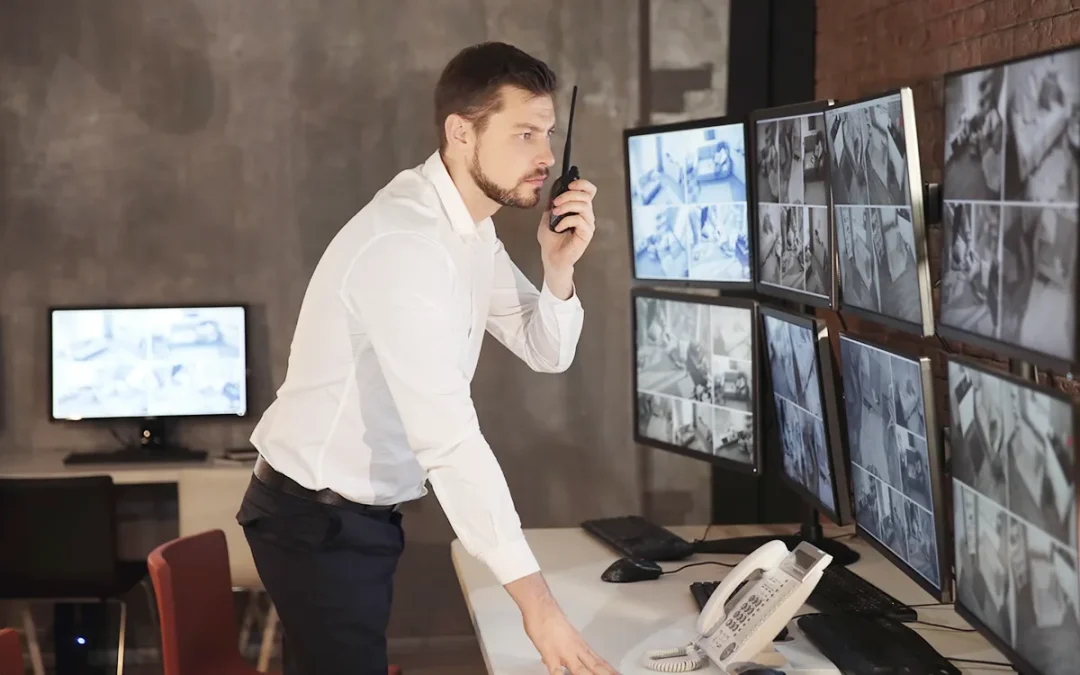
One look is all it takes. The moment a camera comes into a would-be criminal’s view, everything changes. Suddenly, there’s accountability, evidence, and risk. A visible camera doesn’t just record crime; it prevents it. That’s why smart home and business owners make at least part of their security easy to see.
Let’s take a closer look at how CCTV works, why visibility matters, and what to consider when setting up a system that truly keeps your space secure.
What exactly is CCTV?
CCTV stands for Closed-Circuit Television. Unlike regular television broadcasts, CCTV systems send video signals to a specific set of monitors or devices. This “closed circuit” means only authorised users can view or record the footage.
Modern CCTV setups can include high-definition IP cameras, motion sensors, night vision, remote viewing via apps, and cloud storage. Whether it’s a single-camera setup for a small home or a multi-camera network for a large commercial site, CCTV provides constant surveillance that helps prevent, monitor, and investigate incidents.

Who needs CCTV and why
CCTV is no longer just for banks and shopping centres. Today, it’s a trusted safety tool across many settings:
- Homes: Monitor front doors, driveways, and backyards to keep your family and belongings safe — even when you’re away.
- Small businesses: Deter theft, protect cash registers and stock areas, and keep an eye on daily operations.
- Warehouses and offices: Safeguard equipment and inventory, ensure workplace safety, and verify compliance with company policies.
- Public spaces: Promote safety, assist law enforcement, and help manage crowd control in streets, parks, and transport hubs.
- Schools and childcare centres: Enhance the safety of students and staff, and provide peace of mind for parents.
- Hospitals and aged care facilities: Protect vulnerable individuals and maintain secure, well-monitored environments.
- Parking areas and garages: Monitor vehicle movements and prevent vandalism or break-ins.
- Construction sites: Prevent theft of materials and equipment while ensuring worker safety.
In short, CCTV benefits anyone who values safety and accountability, including homeowners, business owners, educators, and facility managers.
The not-so-secret message visible cameras send
You’ve probably noticed that most CCTV cameras aren’t hidden. And there’s a good reason for that. Visibility is a powerful deterrent.
Here’s why:
- It changes behaviour. When people know they’re being watched, they’re far less likely to engage in risky or illegal activity. It’s basic psychology that people tend to follow the rules when they know someone’s observing.
- It sends a clear warning. A well-placed camera, often paired with signage, signals that the property is protected. Would-be criminals will usually choose an easier, less risky target instead.
- It promotes a safer environment overall. Staff, tenants, and visitors feel more secure knowing surveillance is in place, creating a sense of accountability and safety for everyone.

Simply put: a visible CCTV camera doesn’t just record crime, it helps prevent it.
Designing the right CCTV system for you
Choosing the right CCTV system isn’t a one-size-fits-all decision. The setup you need depends on your space, your goals, and your budget. Here are a few key factors to think about:
Camera quality: Go for at least 5MP or 8MP high-definition IP cameras for clear, detailed footage. This matters if you ever need to identify faces, number plates, or fine details.
Coverage and placement: A security professional can help determine strategic camera angles, covering blind spots and key entry points without overspending.
Night vision and lighting: Most incidents happen after dark. Make sure your system includes reliable infrared (IR) or low-light capabilities.
Storage and playback: Consider where and how your footage is stored. It might be saved on a local hard drive, an NVR (Network Video Recorder), or in the cloud. Each storage method offers different levels of convenience, accessibility, and data protection, so it’s worth knowing what suits your needs best.
Remote access: Many modern systems allow you to monitor live feeds and alerts through a smartphone or tablet.
Compliance and security: Always ensure your equipment meets data security standards, especially if you’re a business handling customer information.
Does professional installation matter?
While DIY CCTV kits are available, professional installation makes a world of difference.
A qualified installer can:
- Assess your property and recommend the right camera types and placements.
- Ensure all wiring, networking, and data storage are set up securely.
- Calibrate your cameras for the best angle, clarity, and lighting.
- Provide after-sales support, software updates, and maintenance.
Professionals also help you stay compliant with privacy laws, ensuring cameras don’t unintentionally capture neighbouring properties or public areas where recording may not be permitted.

Why go for NDAA compliance?
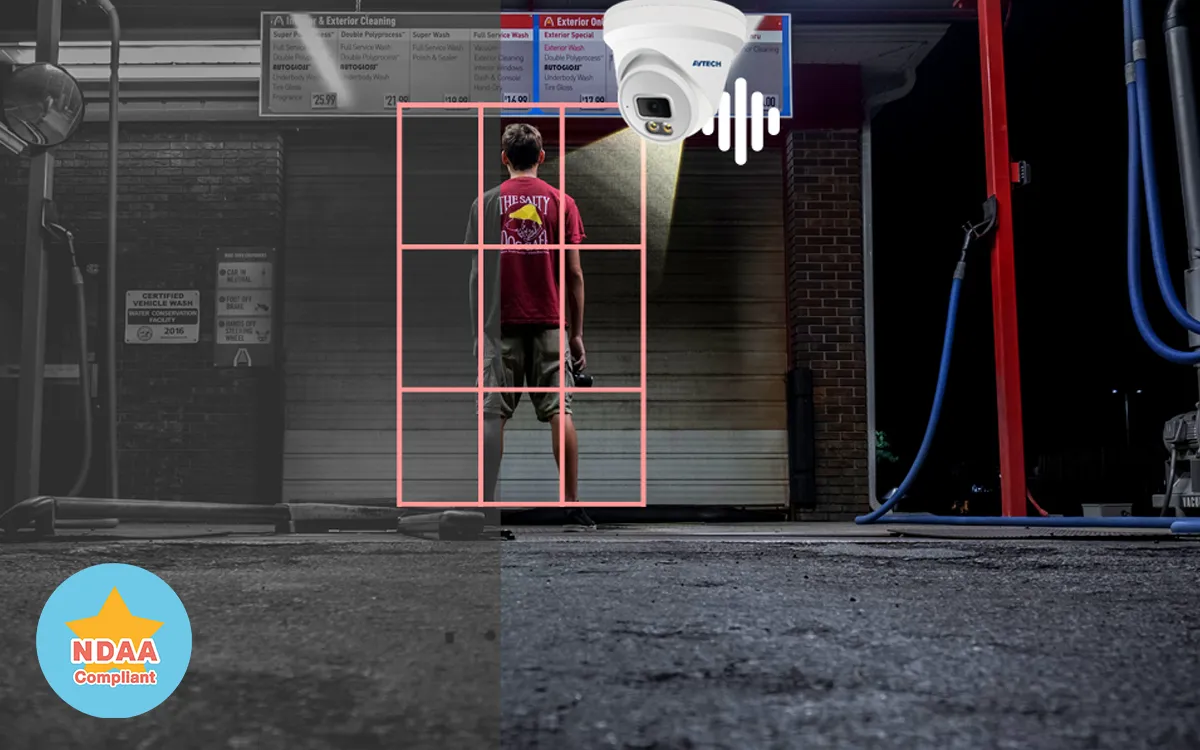
If you’re investing in a CCTV system, it’s worth understanding what NDAA compliance means, especially for businesses and organisations that value data security. Choosing NDAA-compliant systems helps ensure your CCTV network meets high standards for cybersecurity and reliability.
The U.S. National Defense Authorization Act (NDAA) restricts the use of certain components in surveillance equipment used by American government agencies. While this legislation doesn’t apply in Australia, its standards are often recognised here as a benchmark for secure and trusted technology.
In practical terms, NDAA-compliant cameras are often safer, more reliable, and better protected against potential cyber risks. This can be a smart investment for anyone who values privacy, performance, and long-term peace of mind.
Smart security starts here
A visible CCTV camera does more than just record. It changes the game entirely. Its presence helps deter potential criminals, protect people and property, and provide valuable evidence if something does go wrong.
The key to an effective system is choosing the right setup and having it installed by professionals who understand your needs. A well-designed CCTV network not only performs better but also offers stronger compliance, reliability, and peace of mind.
If you’re ready to upgrade your home or business security, speak with a trusted CCTV provider. They can assess your space, recommend the best solution, and ensure your system works seamlessly so you can focus on what matters most, knowing your safety is in good hands.