Do more CCTV cameras mean better security for your property?
Do more CCTV cameras mean better security for your property?
It’s not a camera shortage that leaves properties vulnerable—it’s bad placement. Most people think throwing more hardware at the problem guarantees security, only to end up with an expensive setup that still misses the exact angle an intruder uses.
You don’t need a wall-to-wall surveillance grid to protect what matters; you need a system built around how people actually move through your space. Whether you’re securing a two-bedroom apartment or a multi-bay warehouse, getting the numbers right means knowing where to look, where the hidden blind spots live, and how to cover every critical angle without blowing your budget.
The right number depends on your property’s size, layout, access points and security priorities. Here is what to consider when planning your CCTV system.
What determines how many CCTV cameras you need?
Before choosing a camera count, assess how your property is laid out and which areas require the most attention.
1. Property size and layout
Larger properties generally need more cameras, but the building’s layout is equally important. A single-storey home with an open floor plan may be easier to monitor than a multi-storey property with several rooms, hallways and access points.
Walls, partitions, shelving and other obstructions can also limit a camera’s viewing range. Consider the number of floors, outdoor spaces and separate structures when planning coverage.
2. Entry points and blind spots
Every accessible entrance should be considered, including front and back doors, garages, sliding doors, side gates and loading docks.
Look for areas that may fall outside a camera’s view, such as narrow passages, rear gardens, poorly lit corners and boundary fences. These locations can create opportunities for unauthorised access if they are not adequately monitored.
3. Valuable assets and high-risk areas
Prioritise areas containing valuable equipment, cash, inventory or sensitive information.
For homes, these may include garages, workshops and storage sheds. Businesses may need additional coverage around payment counters, safes, stockrooms, server rooms and high-value displays.
Focusing on these locations helps ensure each camera serves a clear security purpose.
Home CCTV camera setups
Residential CCTV systems should prioritise vulnerable access points and important outdoor areas. The following estimates offer a useful starting point.
Small homes and apartments: 2–4 Cameras
A smaller property may only need two to four cameras, depending on its layout and access points.
A practical setup could include:
- Front entrance or porch
- Rear door or outdoor access
- Driveway or garage
- Side passage or another vulnerable area
Apartments may need fewer cameras, particularly when shared entrances and facilities are already monitored by building management.
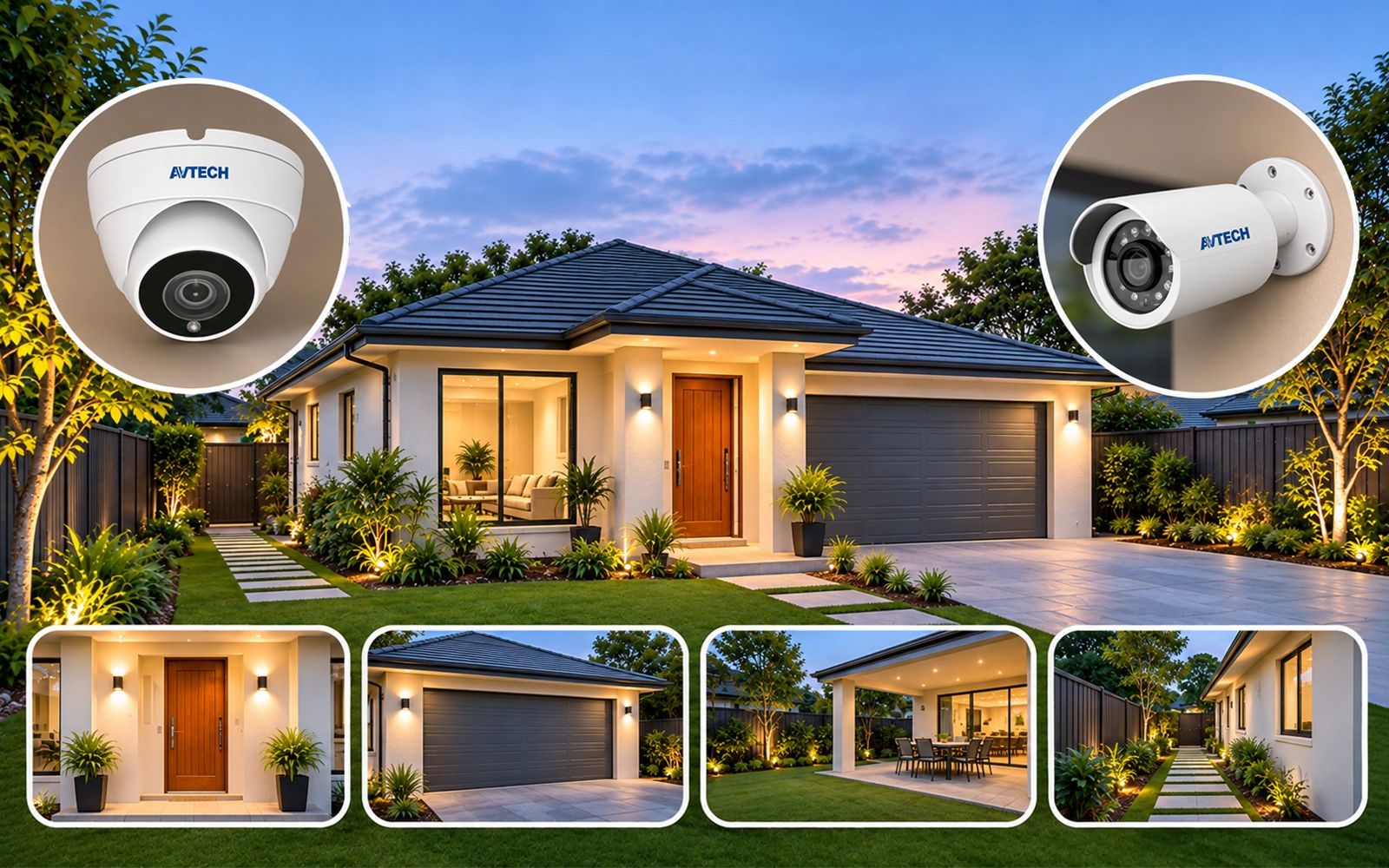
Larger homes often have more entrances and outdoor spaces to monitor. A four-to-eight-camera setup may provide suitable coverage for areas such as:
- Front entrance and driveway
- Garage and side walkways
- Back door and patio
- Backyard and garden access
- Other vulnerable outdoor areas
For most households, exterior coverage should be the priority. Interior cameras can be added where there is a specific security need, while respecting the privacy of family members and visitors.
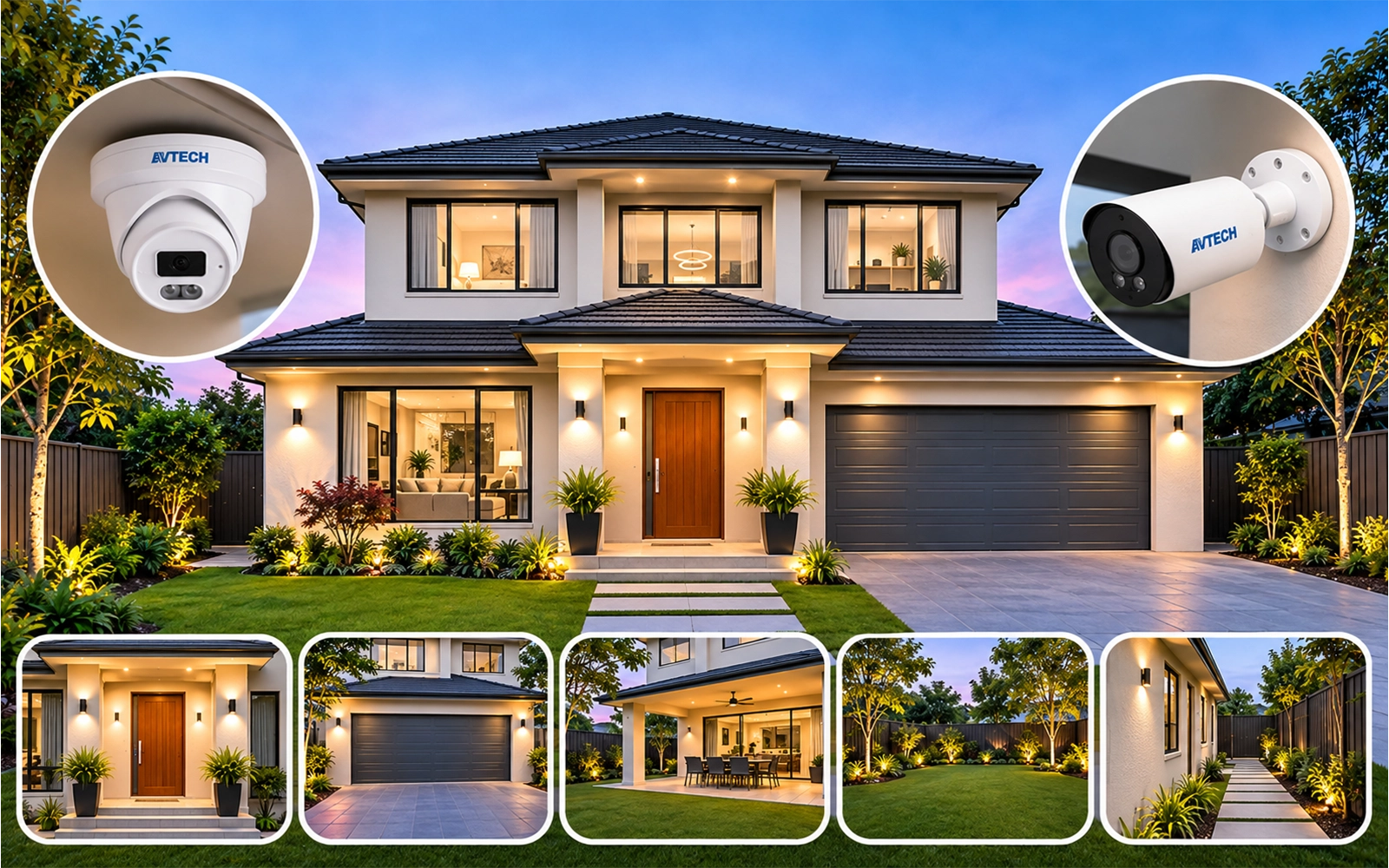
Small homes and apartments: 2–4 Cameras
A smaller property may only need two to four cameras, depending on its layout and access points.
A practical setup could include:
- Front entrance or porch
- Rear door or outdoor access
- Driveway or garage
- Side passage or another vulnerable area
Apartments may need fewer cameras, particularly when shared entrances and facilities are already monitored by building management.
Larger homes often have more entrances and outdoor spaces to monitor. A four-to-eight-camera setup may provide suitable coverage for areas such as:
- Front entrance and driveway
- Garage and side walkways
- Back door and patio
- Backyard and garden access
- Other vulnerable outdoor areas
For most households, exterior coverage should be the priority. Interior cameras can be added where there is a specific security need, while respecting the privacy of family members and visitors.
Commercial CCTV camera setups
Commercial properties typically have more complex security requirements due to their size, operating activities and the number of people accessing the premises.
Retail stores: 4–12+ Cameras
Retail businesses need to monitor customer activity, payment areas, stock and entrances. Common camera locations include:
- Main entrances and exits
- Cash registers and payment counters
- Sales floors and high-value displays
- Stockrooms and delivery access
- Customer parking areas
Smaller shops may need only four cameras, while larger stores with multiple aisles and departments may require more.
Offices and commercial buildings: 6–16+ cameras
Office surveillance generally focuses on shared spaces, access routes and restricted areas.
Consider monitoring reception areas, hallways, elevator lobbies, stairwells, staff entrances, server rooms and car parks. The aim is to monitor important areas without unnecessarily recording private spaces.
Warehouses and industrial facilities: 8–24+ cameras
Large facilities often require more extensive coverage due to their size, storage arrangements and multiple operational zones.
Important locations include loading docks, delivery bays, storage aisles, dispatch areas, employee entrances and perimeter fencing.
High shelving and stored materials can obstruct camera views, so additional units may be needed to monitor separate aisles or sections.
These figures are general estimates, not fixed requirements. Your property’s layout, viewing distances and security objectives will determine the final camera count.
Does camera quality affect how many you need?
Yes. Camera resolution and lens type influence how much of an area can be monitored and how clearly details can be captured.
Wide-angle vs narrow-angle lenses
Wide-angle cameras capture a broader scene, making them useful for open spaces such as shop floors, driveways and parking areas. Fisheye and 360-degree cameras can provide even wider coverage from a single mounting point.
Narrower-angle lenses capture a smaller area but provide a closer view of specific locations. These are useful for entrances, payment counters and other areas where identifying details matter.
A wide-angle camera may cover an entire room, for example, but a separate camera could still be needed to capture clear details at a distant entrance.
Resolution and image clarity
Higher-resolution cameras, such as 4MP or 8MP (4K) models, can capture finer details under suitable conditions. This can be useful when monitoring larger spaces or viewing footage from a distance.
However, resolution alone does not guarantee clear footage. Lighting, lens selection, camera positioning and viewing distance also affect image quality. Digital zoom cannot recover details that were not captured clearly in the first place.
Get the right CCTV coverage for your property
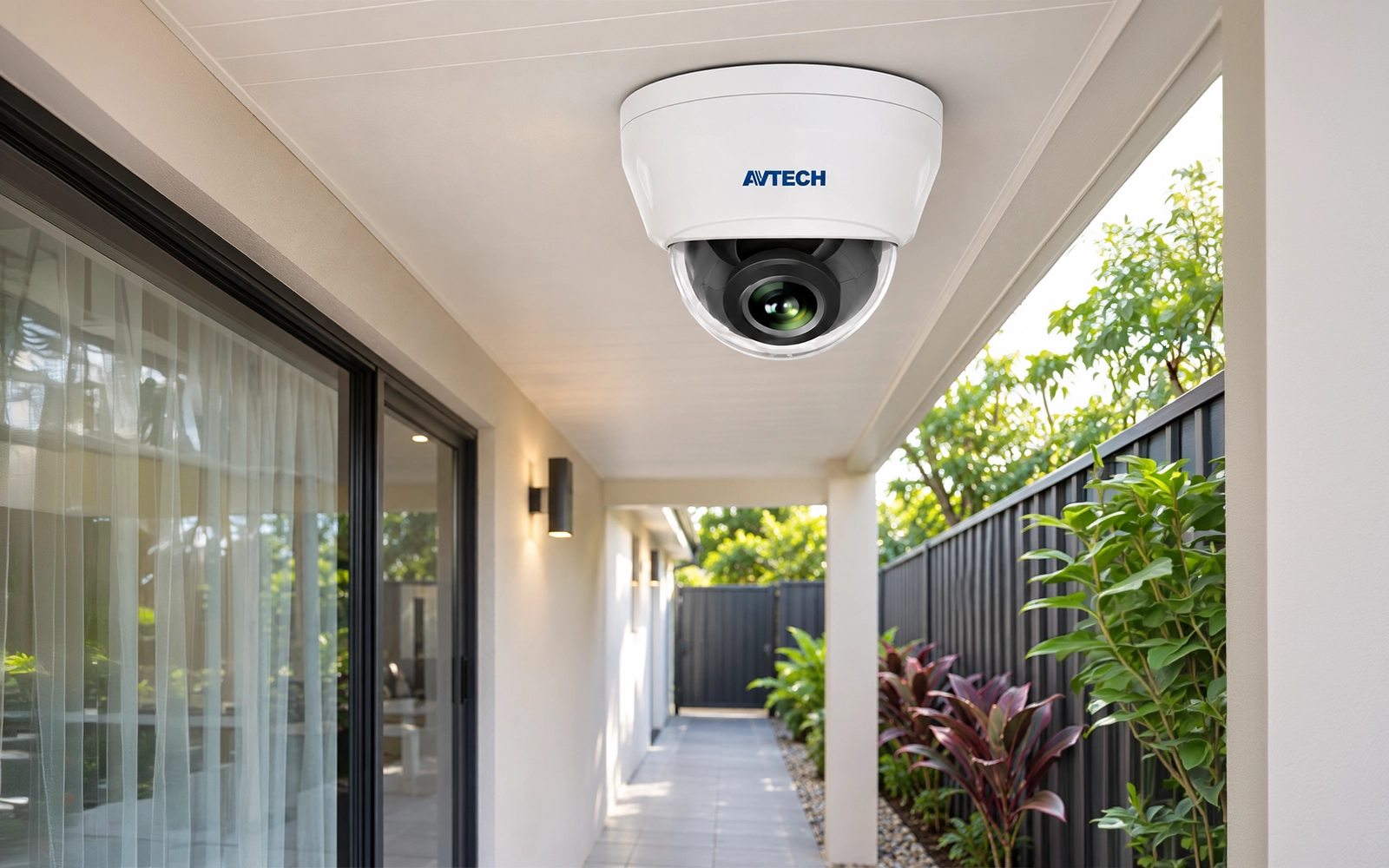
Effective security starts with a well-planned CCTV system. Rather than focusing on camera numbers alone, consider how each camera can contribute to monitoring key areas, capturing important details and reducing potential blind spots.
Every property has different security requirements. A professional site assessment can help identify vulnerable areas, determine suitable camera positions and recommend equipment that provides the right level of coverage. It also ensures your recording system has the capacity to support your surveillance needs.
With the right planning and installation, you can build a CCTV system that protects what matters without unnecessary equipment or expense.