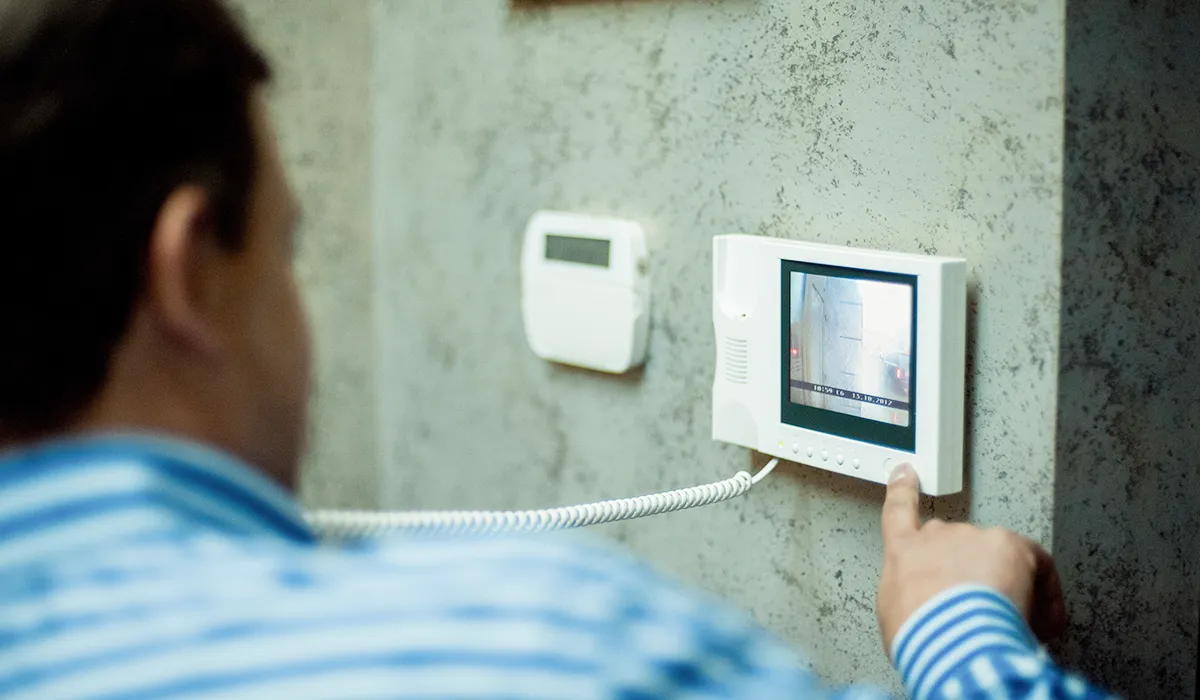
It’s a familiar scene—you’re in the middle of an important moment, and the doorbell rings. Do you dash to see who’s at your door, or do you hesitate in case it’s someone you’d rather avoid? With a modern video intercom, you don’t have to choose. You can see who’s at your door without being seen yourself, and even speak to whoever’s outside without leaving your spot.
More than just a convenience, intercom systems give you peace of mind and an extra layer of security for your home or business. No need to open your door until you’re sure who’s on the other side. In this guide, we’ll take a closer look at what intercom systems are, the different types, their handy features, and why getting advice from a professional can make all the difference. By the end, you’ll see how a small device can make a big impact on safety, convenience, and everyday life.
What is a video intercom?
A video intercom is a smart access control system that lets you see, hear, and speak to visitors before deciding whether to let them in. While it may look like a doorbell on the surface, it functions more like a small security hub for your entrance.
A typical video intercom setup includes an outdoor unit with a built-in camera, microphone, and speaker, paired with an indoor screen or a mobile app. When someone presses the call button, you receive a live video and audio feed, allowing you to interact with them in real time. Many modern systems connect to your home network, so you can check who’s at the door even when you’re not at home.
Unlike traditional audio-only intercoms, video intercoms provide visual verification, which significantly improves safety and control. This is particularly useful for:
- Identifying unexpected or unfamiliar visitors before opening the door
- Confirming deliveries or tradespeople without direct contact
- Managing controlled entry in apartment buildings, offices, or shared properties
Some video intercom systems also include video recording and event logs. This means you can review past visitors, missed calls, or suspicious activity, adding an extra layer of security and accountability to your property.
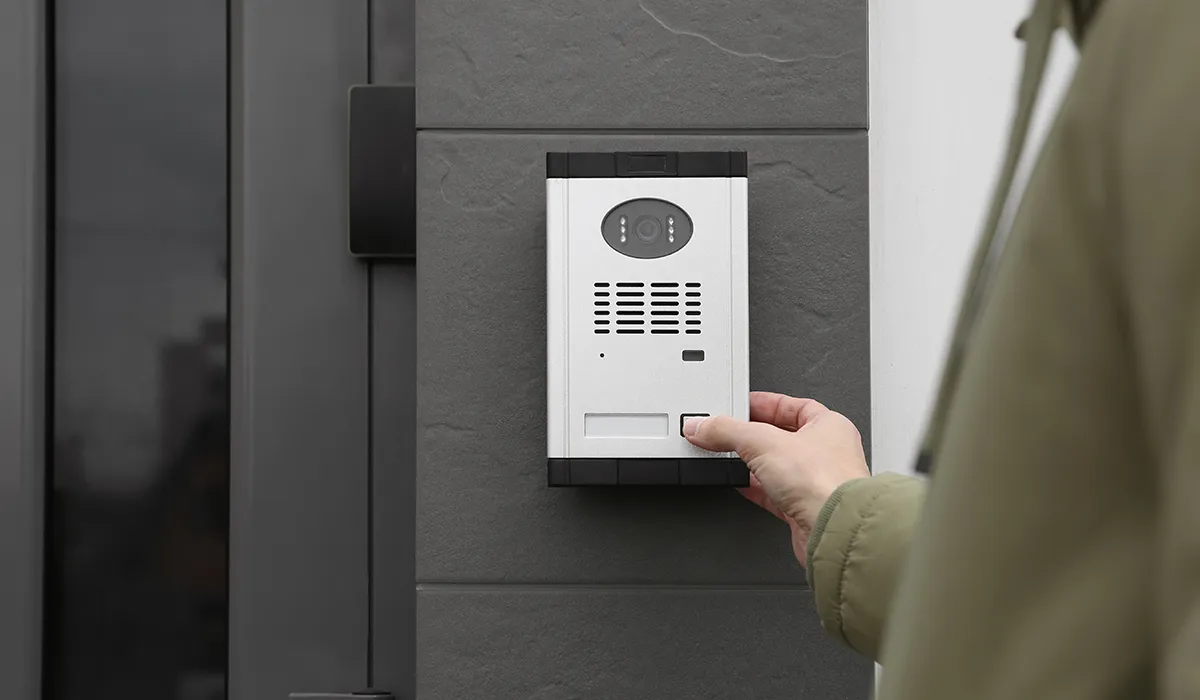
Types of intercom systems
Intercom systems have come a long way, with a wide range of options now available to suit different property types, security needs, and budgets. Understanding the main types can help you choose a system that fits both your space and the way you live or work.
1. Audio intercoms
Audio intercoms are the most basic form of intercom system, providing two-way voice communication between the entrance and the inside of a property. They are commonly used for internal communication in large homes, offices, and apartment buildings.
Because they do not include a camera, audio intercoms rely solely on voice recognition. They are generally more affordable and easier to install, making them a practical option where visual identification is not essential.
2. Video intercoms
Video intercoms add a visual layer to access control by incorporating a camera at the entry point. This allows you to see visitors in real time while speaking with them.
Many modern video intercom systems include mobile app connectivity, enabling you to answer calls and view live footage even when you are away from the property. More advanced models may offer features such as high-definition video, night vision, motion detection, and video recording for added security.
3. Wireless intercoms
Wireless intercom systems operate using Wi-Fi or radio signals, reducing or eliminating the need for extensive wiring. This makes them particularly suitable for existing homes or commercial spaces where running new cables would be difficult or disruptive.
These systems are often quick to install and can integrate with smart home technologies such as electronic door locks, lighting, and CCTV systems, creating a more connected security setup.

4. IP-based intercoms
IP-based intercoms use an internet connection to deliver audio and video communication. This allows calls to be received on multiple devices, including indoor monitors, smartphones, and tablets.
With features such as mobile notifications, remote door release, and system management via apps or web interfaces, IP intercoms are well-suited to modern homes, offices, and multi-tenant buildings that require flexible and scalable access control solutions.
5. Hybrid intercom systems
Hybrid systems combine wired and wireless components, offering greater flexibility in design and installation. These are often used in larger properties or sites with multiple buildings, where different areas may have varying connectivity or infrastructure requirements.
By blending technologies, hybrid systems provide reliable communication while allowing for future expansion or upgrades as needs change.
Features which enhance security
Modern intercom systems are designed to do far more than announce a visitor at the door. They combine security, convenience, and smart technology to give you greater control over who enters your property and how you manage access. While features vary between systems, some stand out as particularly valuable in everyday use.
Mobile app integration
Many intercom systems connect to a mobile app, allowing you to receive notifications, view live video, and speak to visitors directly from your smartphone. This means you can respond to the door whether you are at home, at work, or away on holiday.
Two-way audio communication
Clear two-way audio lets you communicate with visitors in real time without opening the door. This is useful for confirming identities, giving instructions to delivery drivers, or speaking to tradespeople before granting access.
Video recording and event history
Some intercom systems can record video clips or capture snapshots when someone presses the call button or triggers motion detection. These recordings provide a useful record of visitors and can add an extra layer of security and accountability.
Night vision and low-light performance
Built-in night vision allows the camera to capture clear images even in poor lighting conditions. This ensures you can identify visitors at any time of day or night, not just during daylight hours.
Remote access control
Advanced systems allow you to unlock doors or gates remotely once you have verified the visitor. This is particularly helpful for letting in trusted guests, couriers, or service providers when you are not physically present.
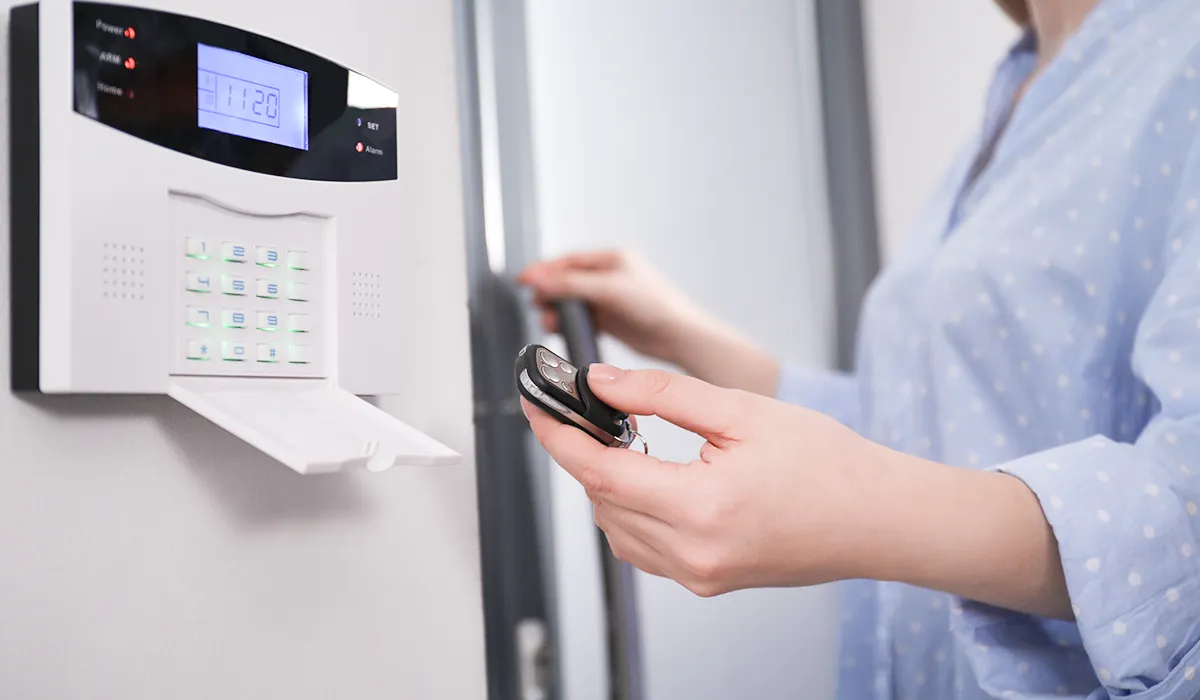
Smart home and security integration
Many intercoms can integrate with existing smart home systems, including electronic locks, lighting, alarms, and CCTV cameras. This creates a more connected and efficient security setup, where multiple systems work together seamlessly.
Ultimately, the right combination of features will depend on your property layout, daily routines, and security priorities. A well-chosen intercom system should fit naturally into your lifestyle while enhancing safety and peace of mind.
Why an intercom system is more than just a convenience
At first glance, an intercom system might simply seem like a simple time-saver. In reality, it plays a much bigger role in how you protect and manage your space. It gives you greater awareness, better control, and confidence in knowing exactly who is at your door before you make a decision.
Better control over who enters
An intercom allows you to screen visitors before they step inside, helping to prevent unwanted or unexpected entry. This is especially important in today’s environment, where security and privacy matter more than ever.
Safer handling of deliveries and visitors
With an intercom system, you can speak to couriers, confirm deliveries, and provide instructions without opening the door or leaving it unlocked. This helps protect parcels and reduces unnecessary face-to-face contact.
Centralised monitoring for larger properties
For homes with multiple entry points or for business premises, intercom systems make it easier to monitor access from one central location. This improves oversight and reduces the risk of unauthorised entry.
Peace of mind for families and workplaces
Knowing who is at the door before opening it reduces uncertainty and stress. Whether it’s protecting your family at home or your team at work, an intercom system adds a reassuring layer of security to everyday life.

Improved accessibility and independence
Intercoms are particularly beneficial for seniors and people with mobility challenges, as they remove the need to rush to the door or navigate stairs. Managing visitors becomes safer, easier, and more comfortable.
In business settings, intercom systems also support smoother operations by helping manage customer arrivals, deliveries, and staff access, all while maintaining a secure and professional environment.
Who intercom systems help the most?
Intercom systems suit a wide range of properties and lifestyles, but they are especially valuable for the following groups:
Homeowners: Screen visitors before opening the door and add an extra layer of security for your family and property.
Apartment and unit residents: Manage shared entrances, deliveries, and guest access more securely and with less disruption.
Landlords and property managers: Improve access control for tenants while maintaining security across multi-resident buildings.
Small and medium businesses: Monitor customer arrivals, deliveries, and staff access without leaving reception unattended.
Medical and professional practices: Control entry, manage patient or client flow, and maintain privacy and safety within the premises.
Elderly residents: Communicate with visitors safely without rushing to the door, reducing the risk of falls or strain.
People with mobility challenges: Manage access more independently and comfortably, without unnecessary movement.
High-traffic properties: Ideal for homes or businesses with frequent visitors, deliveries, or foot traffic near busy streets.
Gated homes and secure communities: Verify visitors before granting access to gates or entry points.
Home offices and remote workers: Stay focused while managing visitors professionally without interrupting work.
Even smaller homes and offices can benefit, particularly where safety, privacy, and convenience are important priorities.
Things to consider before installing
Choosing the right intercom system involves more than selecting the latest model on the market. A few practical considerations can make the difference between a system that works seamlessly and one that causes ongoing frustration.
Property layout and entry points
Think about how many entrances you need to monitor and where cameras or call stations should be positioned for clear visibility and sound. Property size, building materials, and distance between units can all affect system performance.
Wiring and power requirements
Some intercom systems require hard wiring, while others operate wirelessly. Understanding your property’s existing infrastructure will help determine whether a wired, wireless, or hybrid solution is most suitable.

Internet and network connectivity
If you plan to use mobile app access or remote monitoring, a stable internet connection is essential. Weak Wi-Fi signals or network congestion can affect video quality and response time.
Compatibility and integration
Check whether the intercom system can integrate with your current security setup, such as electronic locks, CCTV cameras, alarms, or smart home platforms. Seamless integration can significantly enhance usability.
Weather resistance and build quality
Outdoor units should be designed to withstand exposure to rain, heat, dust, and direct sunlight. Durable materials and proper sealing are critical for long-term reliability.
Features versus budget
Balance your budget against the features you genuinely need. Prioritise essentials such as clear audio, reliable video quality, and remote access, rather than paying for features that may not be used.
Taking the time to consider these factors helps avoid installation issues and ensures your intercom system is well-suited to your property, lifestyle, and security requirements.
Why consulting a professional matters
While some intercom systems may appear straightforward, professional advice and installation can make a significant difference to how well the system performs over time. A qualified professional ensures your intercom is not just installed, but properly planned and set up to suit your property.
With professional support, you benefit from:
- Correct placement of cameras and call stations for clear visibility and reliable audio
- Safe and compliant wiring or network configuration
- Seamless integration with existing security or smart home systems
- Clear guidance on how to use the system effectively, including ongoing support if needed
Just as importantly, a professional can recommend the most suitable intercom system based on your home or business layout, daily routines, and security priorities. This helps avoid unnecessary features, poor positioning, or costly adjustments later on.
Take control of your front door
An intercom system changes the way you manage visitors, giving you greater control without compromising comfort or convenience. Whether you choose a simple audio intercom or a fully integrated video system, professional guidance ensures your setup is reliable, intuitive, and built to last.
Investing in an intercom system is ultimately an investment in peace of mind. With the right solution in place, you can see, speak to, and manage access to your home or business confidently, without ever opening the door.