
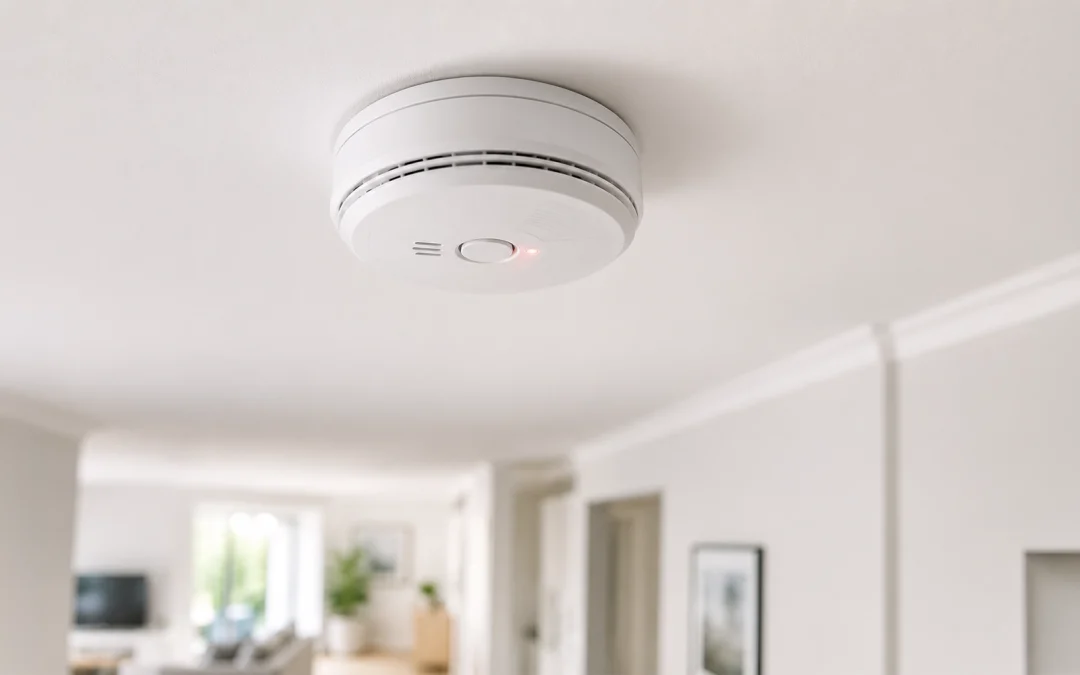
Crucial spots you’re missing for smoke alarms
It’s a given. You need smoke alarms in your home. Less obvious is that even the most advanced smoke alarms can’t protect your family if they’re installed in the wrong place.
Smoke alarms can only provide an early warning if smoke reaches their sensors in time. Poor placement can delay detection by valuable minutes, allowing smoke and fire to spread before occupants are alerted. With modern homes containing more synthetic furnishings, plastics and electronic devices than ever before, fires can develop and intensify much faster than many people realise.
A well-planned smoke alarm system creates multiple layers of protection throughout the home. Rather than relying on a single alarm to cover several rooms, each alarm should protect the area where it can detect danger as early as possible.
Here are some of the most commonly overlooked locations that could make a significant difference during a fire emergency.
Why one or two smoke alarms rarely provide complete protection
Many older homes have a single smoke alarm positioned in the hallway outside the bedrooms. While this may have met previous standards, it leaves several areas vulnerable.
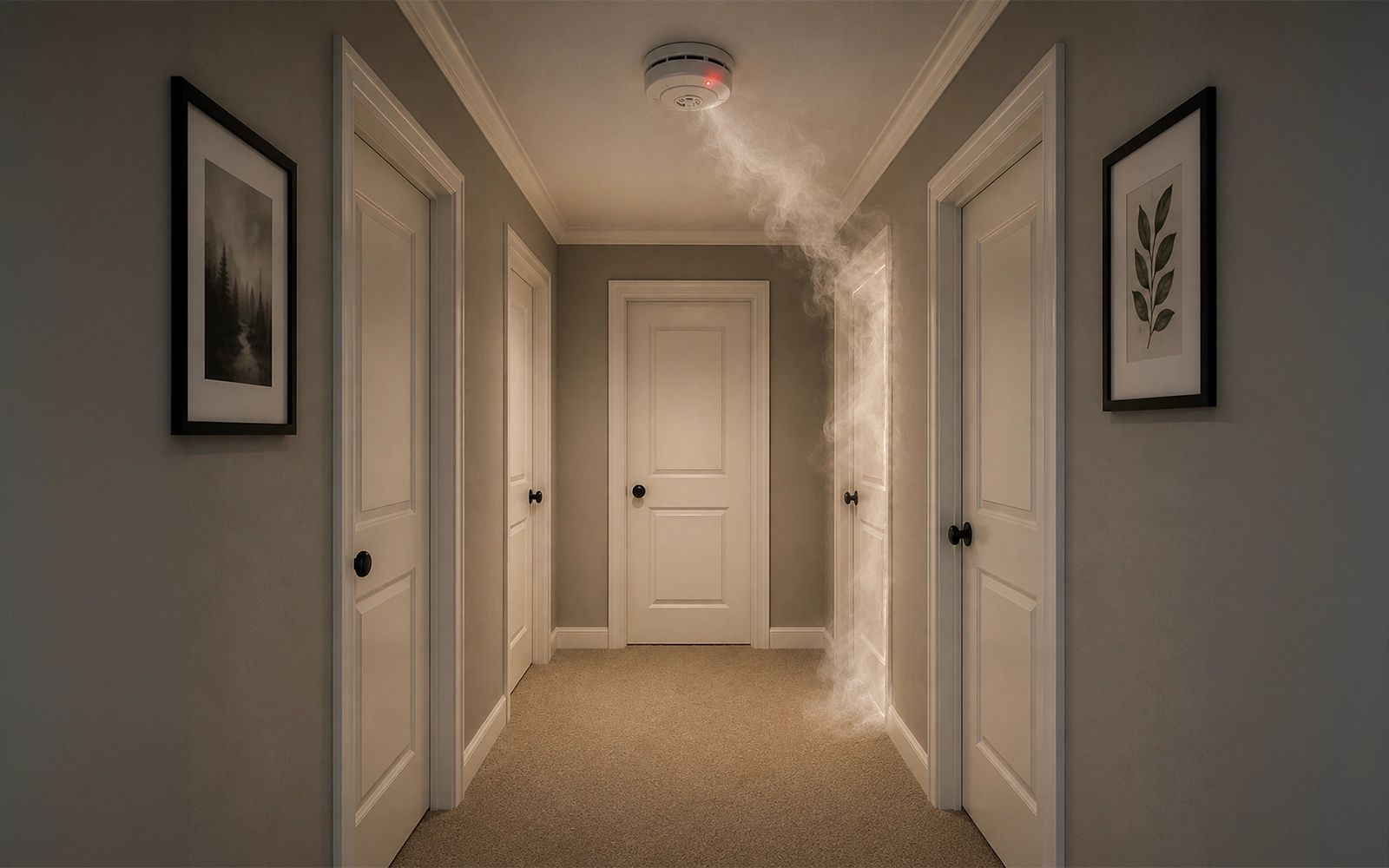
Smoke does not instantly fill an entire home. It follows natural airflow, rises with heat and can be slowed by walls, doors and room layouts. If a fire starts in a bedroom, study or garage, the hallway alarm may not activate until the fire has already grown considerably.
Closed bedroom doors can further delay smoke from reaching alarms outside. While closing doors can help slow the spread of fire, it also means occupants inside the room need their own early warning.
The goal is simple: detect smoke where it starts, not where it eventually reaches.
Inside every bedroom
Bedrooms are among the most important places to install smoke alarms, yet they remain one of the most overlooked.
Many fires begin while occupants are asleep. Common causes include:
- Phone chargers left plugged in
- Electric blankets
- Portable heaters
- Faulty power boards
- Damaged electrical appliances
If a fire starts inside a bedroom, an alarm located only in the hallway may activate too late. A closed door slows the movement of smoke, reducing the amount that reaches the hallway sensor during the critical early stages.
Installing a smoke alarm inside every bedroom provides occupants with the earliest possible warning, giving them more time to wake, react and escape safely.
Outside sleeping areas
In addition to alarms inside bedrooms, alarms should also be installed in the hallway or circulation space immediately outside sleeping areas.
This provides another layer of protection if a fire begins elsewhere in the home and smoke moves towards the bedrooms.
Rather than relying on a single device, multiple alarms work together to ensure smoke is detected regardless of where the fire originates.
The top and bottom of stairways
Staircases are more than just access points between floors. During a fire, they become natural pathways for smoke and hot gases.
As heat rises, smoke rapidly travels up the stairwell, often spreading to upper levels long before flames reach them. Installing a smoke alarm at the top of the stairs helps detect this movement early and warns occupants upstairs before smoke fills escape routes.
For multi-storey homes, it is equally important to install smoke alarms on every level, including the ground floor and near staircases connecting different storeys.
Living areas with high or vaulted ceilings
High ceilings create unique airflow patterns that can affect how smoke reaches an alarm.
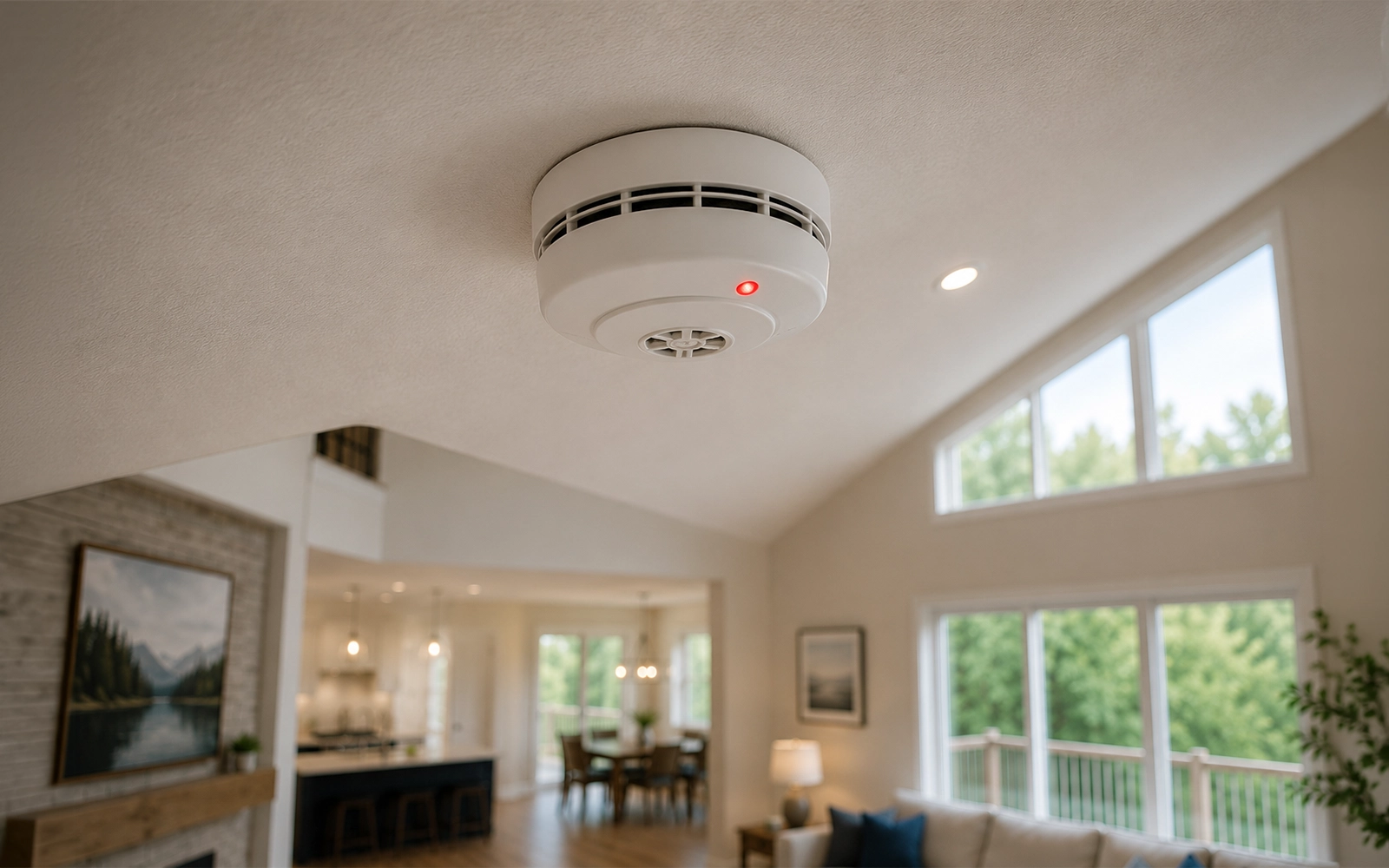
In vaulted or cathedral ceilings, hot air can collect at the very peak, creating what is sometimes referred to as a “dead air” space. Smoke may circulate below this pocket before reaching the highest point, delaying activation if the alarm is installed directly at the apex.
For these ceiling designs, smoke alarms are generally more effective when installed slightly below the highest point rather than at the peak itself. This allows the sensor to intercept rising smoke as it moves naturally through the room.
Large open-plan living spaces with raked ceilings may also require more than one smoke alarm to achieve adequate coverage.
Garages connected to the home
Attached garages present unique fire risks that are often underestimated.
Many households store:
- Vehicles
- Fuel containers
- Power tools
- Lithium-ion batteries
- Lawn equipment
- Charging stations for e-bikes and power tools
These items can increase the likelihood of fire, particularly if batteries are damaged or charging unattended.
An interconnected smoke alarm installed near the internal entry between the garage and the home can provide valuable early warning before smoke enters living spaces.
Home offices and study rooms
Working from home has become increasingly common, bringing more electrical equipment into residential properties.
Computers, monitors, printers, battery chargers, routers and multiple power boards may operate for extended periods each day. While these devices are generally safe when properly maintained, faulty equipment or overloaded electrical circuits can increase fire risk.
If a dedicated study or office is separate from the main living areas, it may benefit from its own smoke alarm, particularly if electronic equipment is regularly left running.
Hallways that connect separate living areas
Larger homes often feature multiple wings, long corridors or separated living spaces.
A single centrally located alarm may not effectively detect smoke travelling from distant rooms. Installing additional alarms along longer hallways helps reduce the distance smoke must travel before detection occurs.
This layered approach improves coverage throughout the property and ensures occupants receive earlier warnings regardless of where they are.
Places where smoke alarms should not be installed
While adding more smoke alarms generally improves protection, placing them in the wrong locations can lead to frequent false alarms or delayed detection.
Too close to the kitchen
Cooking smoke, steam and airborne grease can regularly trigger smoke alarms positioned too close to cooking appliances.
Frequent false alarms can become frustrating and may tempt occupants to remove batteries or disable alarms altogether, reducing household safety.
As a general guide, smoke alarms should be installed at least three metres from cooking appliances where practical, while still complying with local regulations and manufacturer recommendations.
Bathrooms and laundry areas
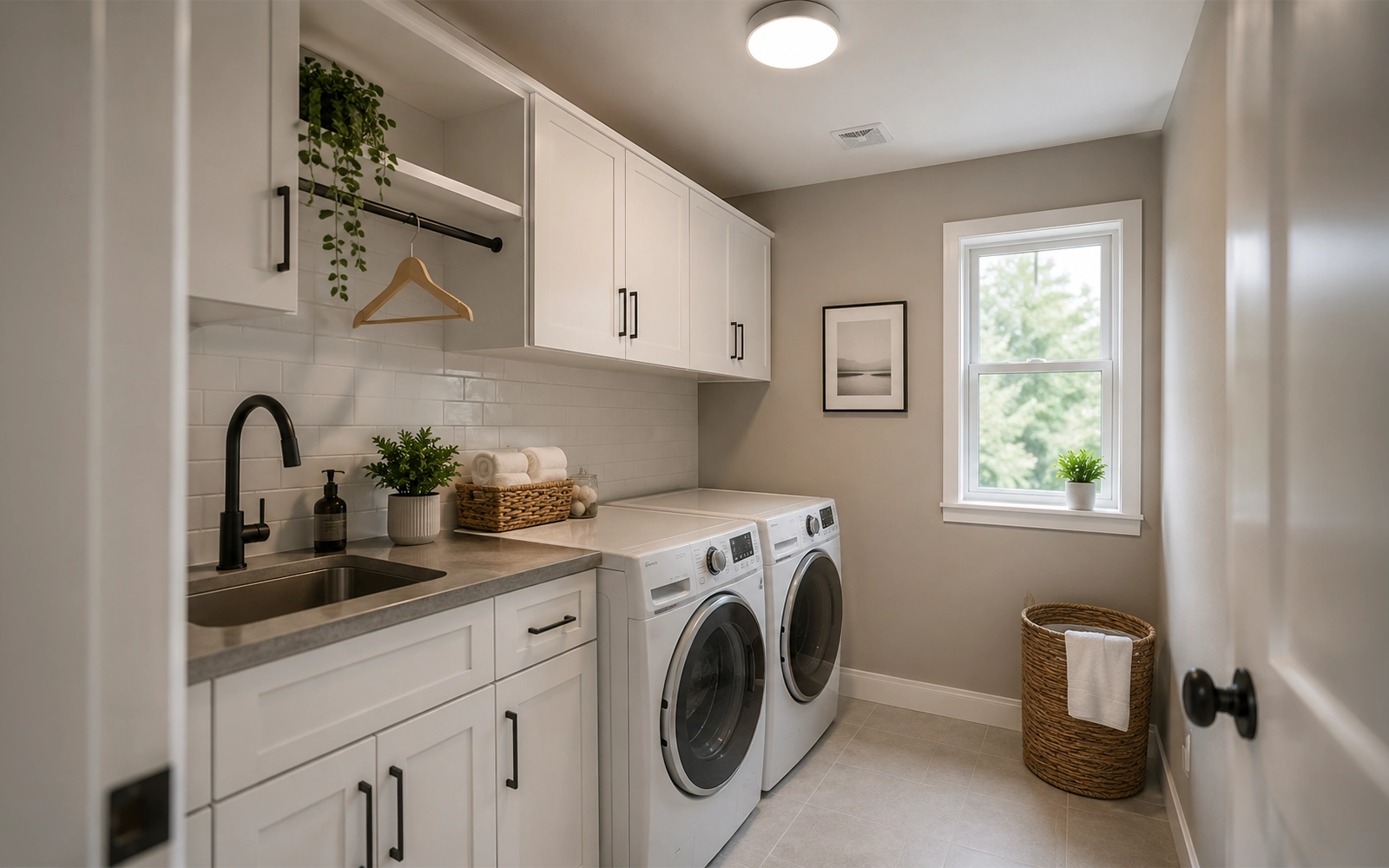
Steam from hot showers, clothes dryers and washing appliances can interfere with photoelectric smoke alarms.
Repeated exposure to moisture may increase nuisance alarms and affect long-term performance. Installing smoke alarms outside these rooms generally provides more reliable operation.
Near windows, doors and air conditioning vents
Smoke alarms rely on smoke naturally reaching the sensing chamber.
Strong air movement from ceiling fans, open windows, heating vents or air conditioning outlets can push smoke away from the detector, delaying activation.
Choosing a stable location away from constant airflow allows the alarm to operate as intended.
Avoid corners and ceiling dead spaces
Smoke does not circulate evenly into tight ceiling corners.
Air can become trapped where the ceiling meets the wall, creating areas where smoke enters more slowly. Following the manufacturer’s recommended clearance from walls and corners helps ensure smoke reaches the sensor without unnecessary delay.
The value of interconnected smoke alarms
Modern smoke alarm systems offer far more than standalone protection.
Interconnected smoke alarms communicate with one another so that when one detects smoke, every alarm throughout the home activates simultaneously.
This becomes especially valuable in larger homes or double-storey properties. If a fire starts in the garage late at night, the alarm nearest the fire may activate first, but interconnected alarms ensure occupants sleeping upstairs hear the warning immediately.
The additional notice can provide valuable extra time to evacuate safely.
Many Australian building regulations now require interconnected photoelectric smoke alarms in new homes, major renovations and properties being sold or leased, depending on the state or territory. Even where not legally required, upgrading to an interconnected system offers a significant improvement in household fire safety.
Don’t forget regular testing and maintenance
Even the best-positioned smoke alarm cannot protect your family if it is not working properly.
Smoke alarms should be tested regularly using the test button recommended by the manufacturer. Dust, insects and general wear can affect sensor performance over time, so keeping units clean is equally important.
Most modern smoke alarms also have a limited service life. Many photoelectric models should be replaced after around ten years, even if they continue to emit a test sound, as the sensing components gradually lose reliability with age.
Making smoke alarm checks part of your regular home maintenance routine helps ensure the system is ready when it is needed most.
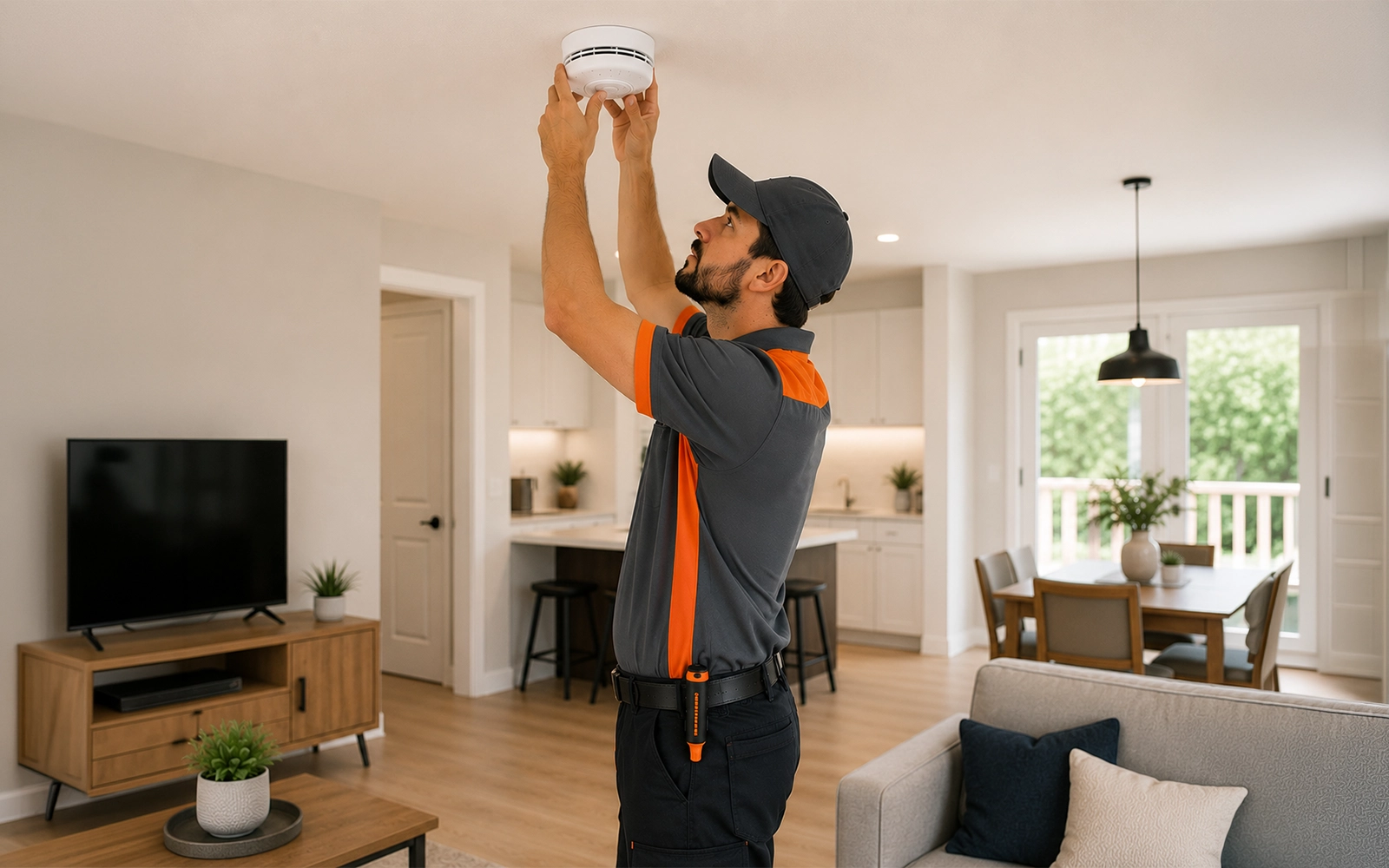
A small change that could save lives
Smoke alarms are one of the simplest and most effective fire safety devices a home can have. Their effectiveness, however, depends not just on having enough of them, but on placing them where they can detect smoke as early as possible.
Effective smoke alarm protection is built on coverage, not chance. Installing alarms inside bedrooms, outside sleeping areas, on every level and in other high-risk locations creates a far more reliable early warning system than relying on a single hallway alarm.
If you’re unsure whether your smoke alarm system provides adequate protection or complies with current Australian requirements, a qualified smoke alarm professional can assess your home’s layout, identify coverage gaps and recommend the most effective placement to maximise early detection.